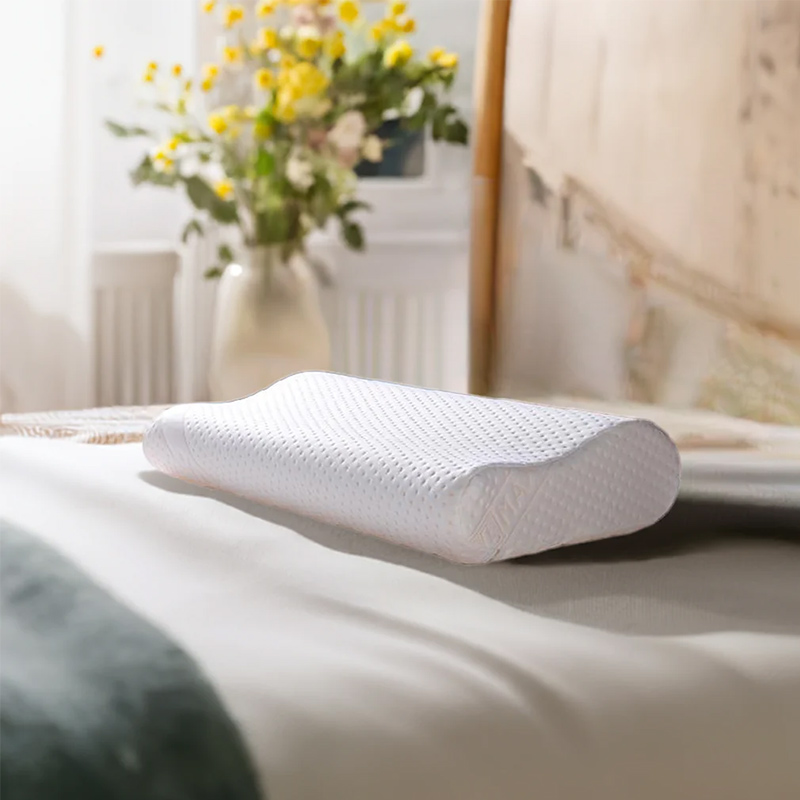
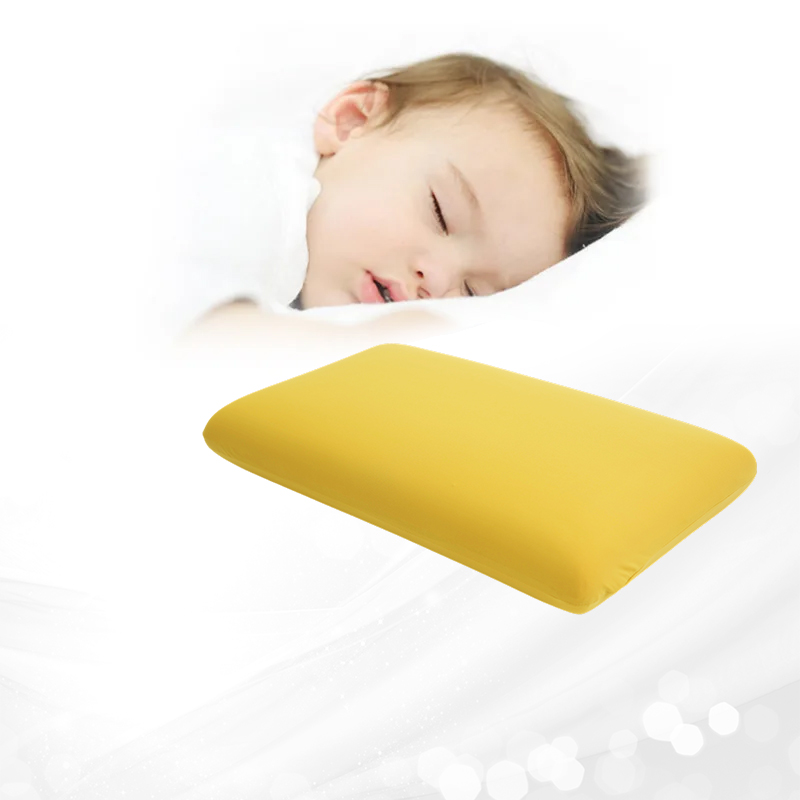
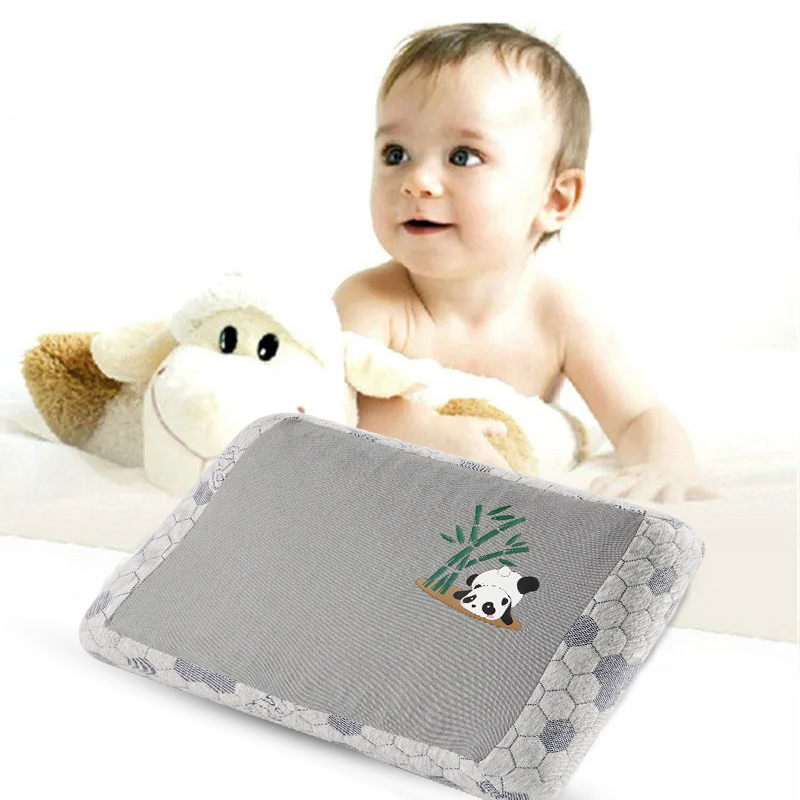
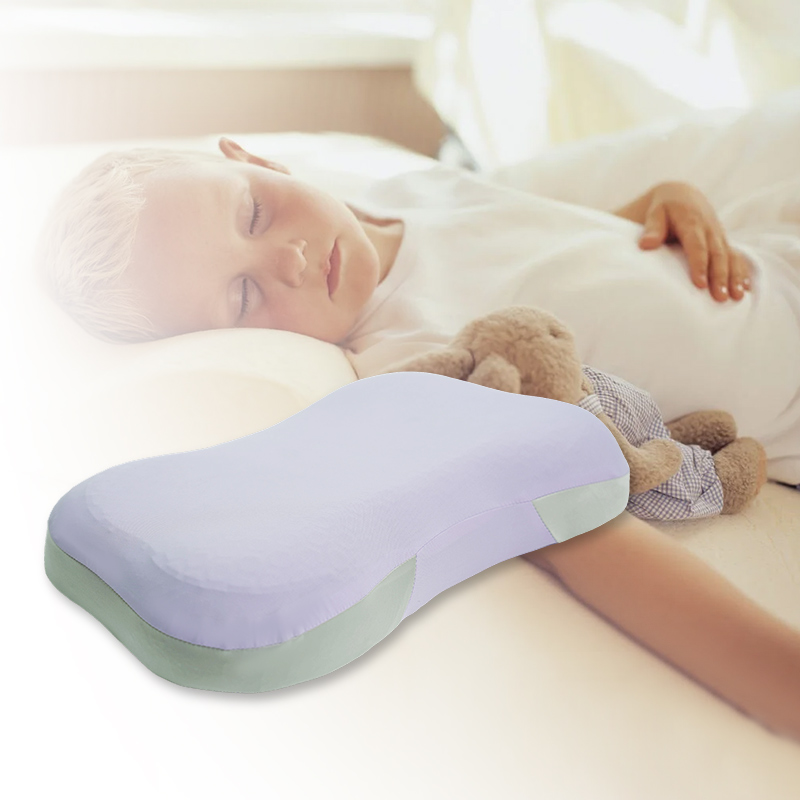
What are the core differences between hydrogel pillows and traditional memory foam pillows?
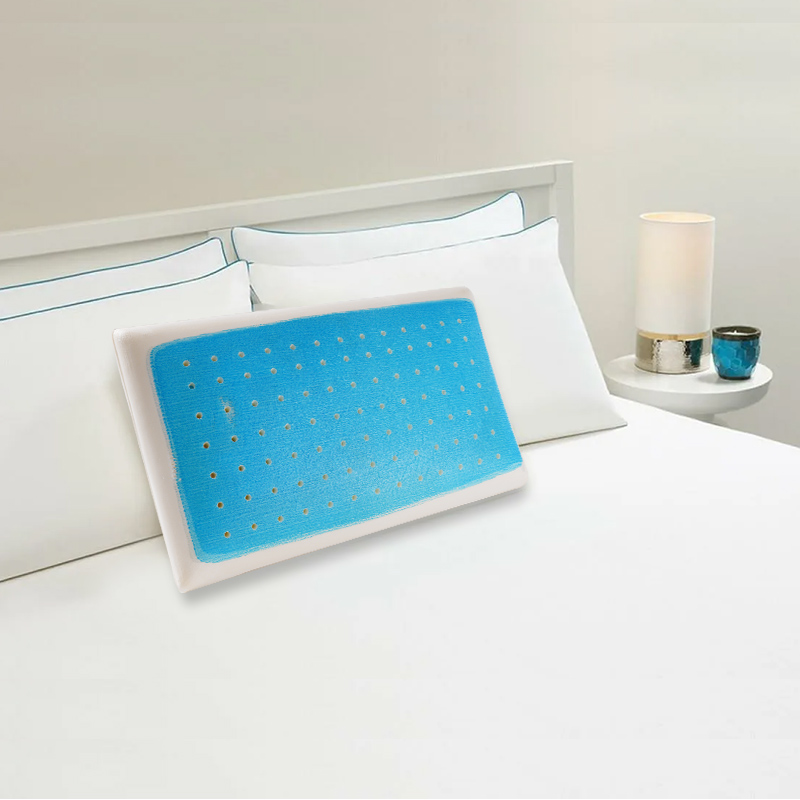
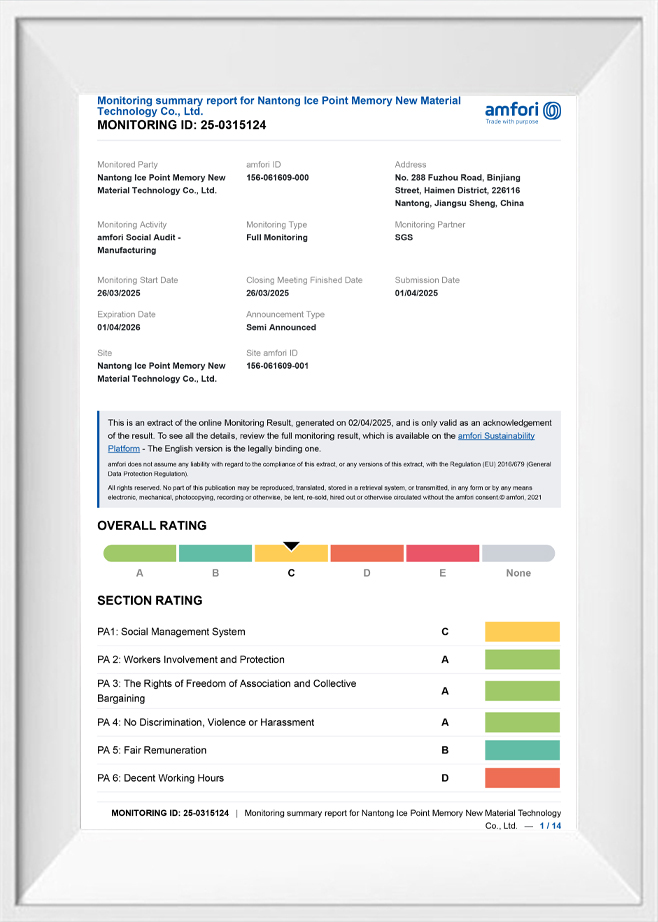
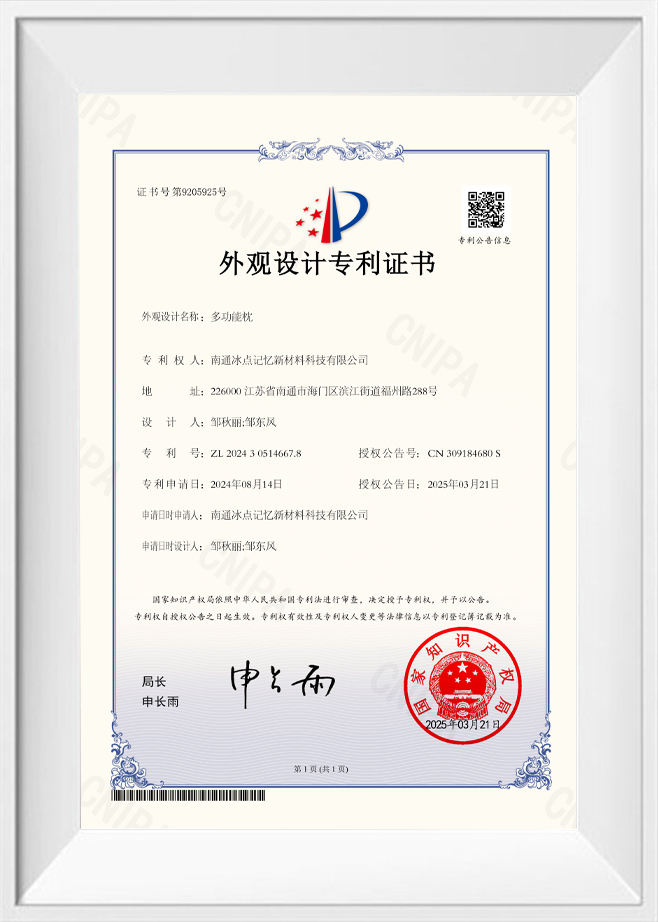
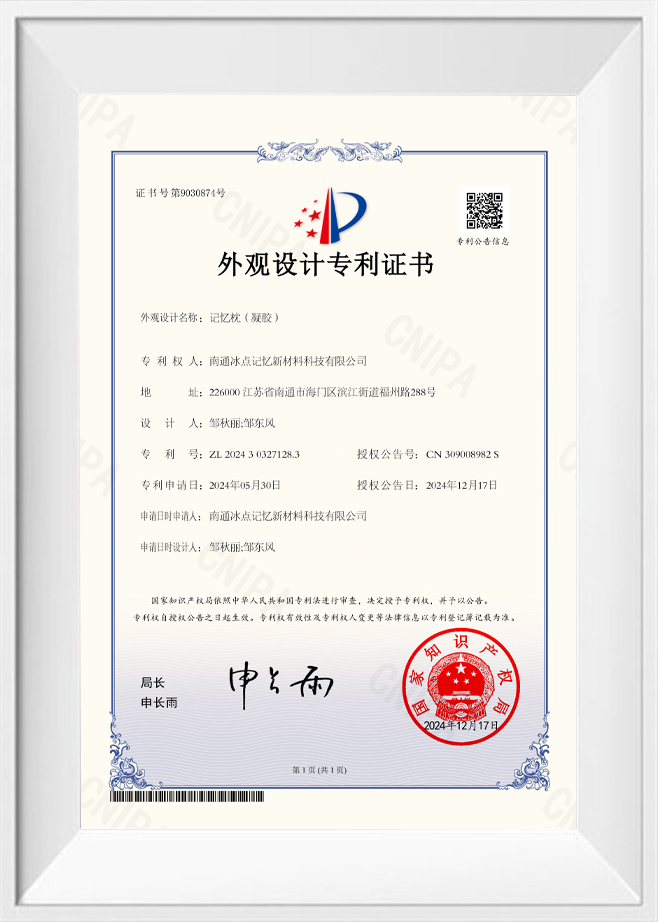
Hydrogel pillows differ significantly from traditional memory foam pillows in structure, material properties, functional performance, and user experience. For companies producing high-end home and healthy sleep products, a deep understanding of these differences not only helps optimize product development and production processes, but also better meets the market's diverse demands for comfort, health, and technology. Since its establishment in 2009, Nantong Freezing Memory New Material Technology Co., Ltd. has focused on new material research and ODM services, integrating R&D, design, production, and sales. It owns four holding factories and a production base spanning over 20,000 square meters. With multiple highly automated production lines for polyurethane, silicone, latex, and TPE products, it provides comprehensive technical and production support for both hydrogel and memory foam pillows.
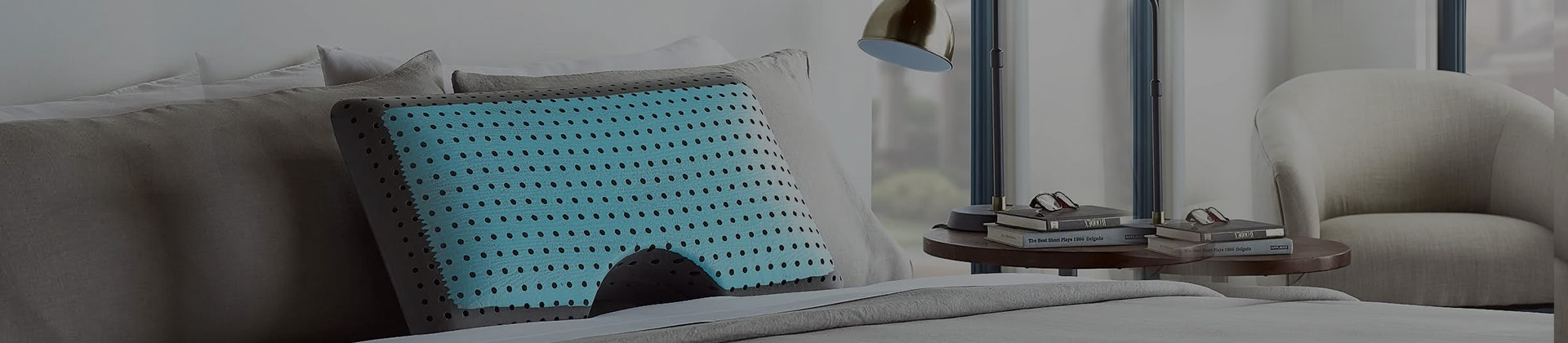
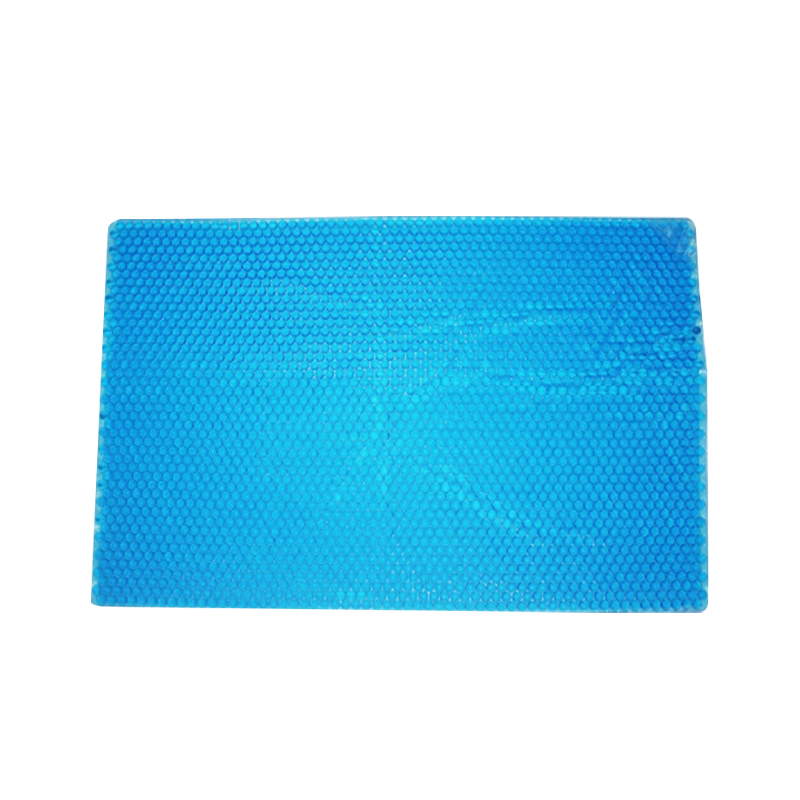
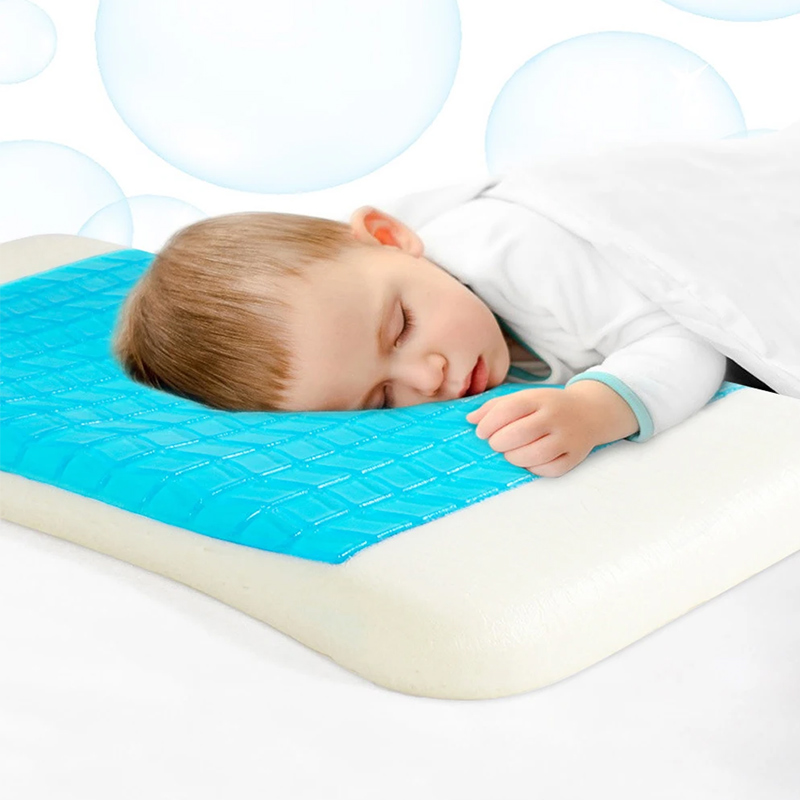
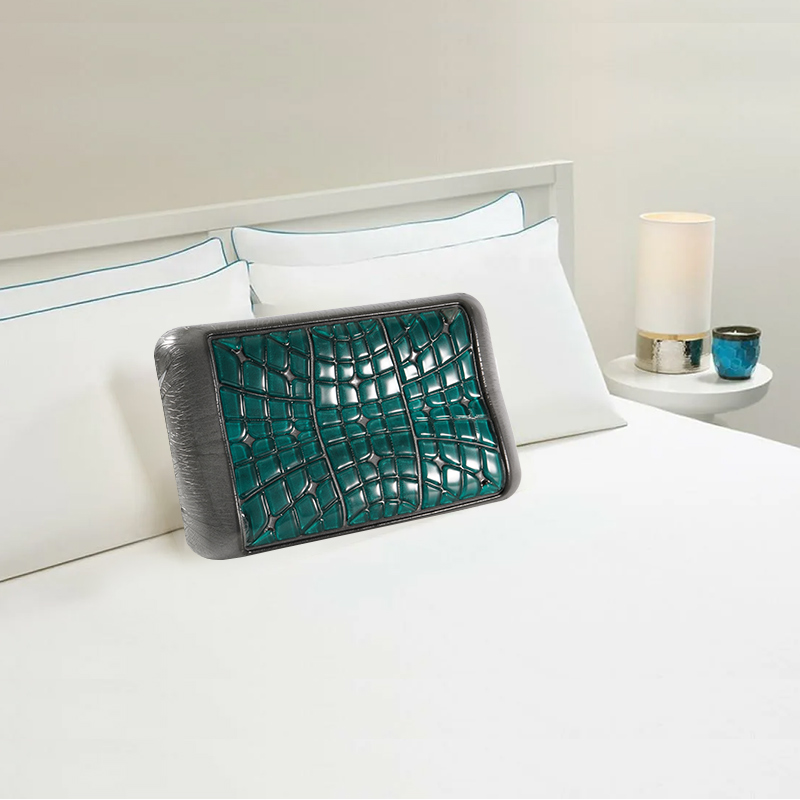
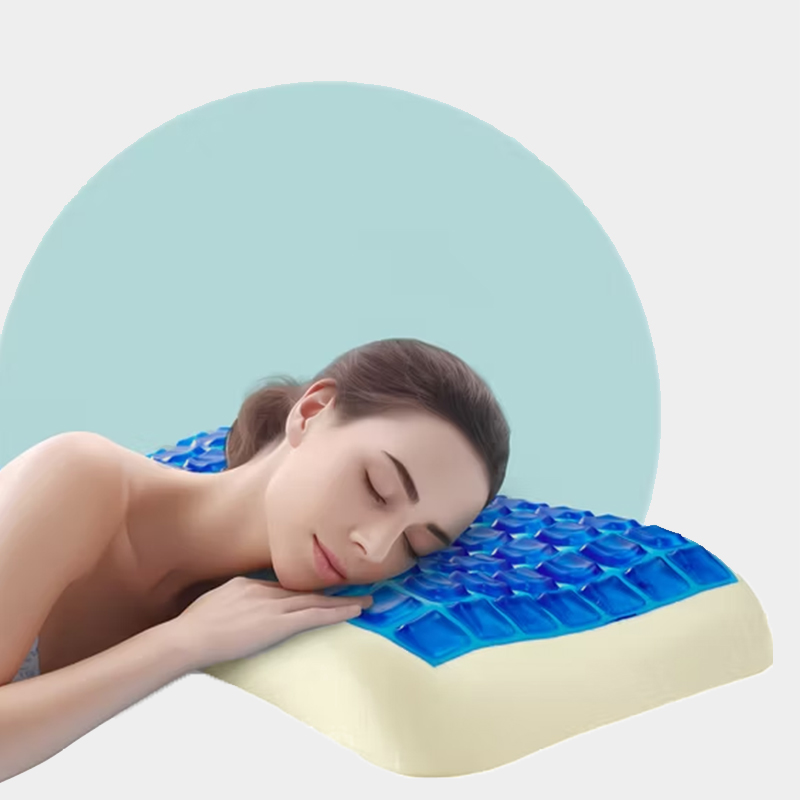
From a material composition and structure perspective, traditional memory foam pillows are primarily made of slow-rebound polyurethane foam, which slowly deforms in response to body temperature and pressure, providing support for the cervical spine and head. Memory foam pillows gradually rebound after receiving pressure, which can alleviate neck and shoulder pressure to a certain extent. However, their poor air permeability allows for heat accumulation, compromising comfort, especially during prolonged use or in summer. In contrast, hydrogel pillows incorporate a hydrogel layer within the pillow core, which boasts excellent heat absorption and thermal conductivity. This material, with its high water content and flexible gel structure, rapidly absorbs and disperses heat upon contact with the head and neck, achieving a significant cooling effect and thus addressing the insufficient heat dissipation of traditional memory foam pillows. Nantong Freezing Memory New Material Technology Co., Ltd. leveraged its technological advantages in polyurethane and silicone materials in the development of its hydrogel pillows. Through a multi-layer composite design, they achieve an organic combination of a hydrogel layer and a high-rebound material, resulting in a pillow that combines both support and excellent temperature control.
In terms of support and pressure distribution, while traditional memory foam pillows can gradually conform to the curves of the head and neck based on body temperature, they still have limitations in terms of uniform support. This is particularly true for products with high-density memory foam or excessive thickness, which can easily cause a feeling of localized pressure. Hydrogel pillows, by leveraging the fluidity and plasticity of the hydrogel, can maintain overall support while more evenly distributing head pressure, reducing concentrated stress on the cervical spine and effectively alleviating neck and shoulder pain. This design aligns closely with Nantong Freezing Memory New Material Technology Co., Ltd.'s long-standing research and development strategy of "integrating physics with health." Through ergonomic design and material manipulation, the company achieves optimized dynamic support for different user postures.
In terms of comfort and user experience, hydrogel pillows offer better temperature adaptability than traditional memory foam pillows. Because the hydrogel layer continuously absorbs and slowly releases heat during the night, the pillow surface remains cool and comfortable, making it particularly suitable for users who sweat easily or are sensitive to temperature. Furthermore, hydrogel pillows generally offer greater flexibility and resilience, maintaining their shape even with long-term use and reducing collapse, whereas traditional memory foam pillows can develop permanent indentations over time. Nantong Freezing Memory New Material Technology Co., Ltd. utilizes its proprietary polymer materials and multi-layer composite process to achieve a balance of high durability and long-term comfort in its products, meeting the needs of various applications, including home, travel, and office.
How do different hydrogel formulations affect the temperature control performance of pillows?
Water content and crosslink density are key indicators influencing temperature control performance. The higher the water content in a hydrogel formula, the greater its heat capacity, allowing it to absorb more heat upon contact with the head, resulting in rapid cooling. However, excessive water content can reduce gel strength, reducing the support and lifespan of the pillow. Crosslink density determines the tightness of the hydrogel's network structure. Gels with high crosslinking densities are more stable and less prone to deformation, but may conduct heat more slowly. Gels with low crosslinking densities, on the other hand, have better fluidity and more uniform local temperature distribution. Nantong Freezing Memory New Material Technology Co., Ltd. precisely controls water content and crosslink density during research and development to achieve hydrogel pillows that combine excellent temperature control performance with long-term support, providing a customized comfort experience for different users. The addition of thermally conductive materials and the composite structure are another key factor. By adding high-thermal-conductivity particles, phase-change materials, or natural mineral fillers to the hydrogel formula, the pillow's thermal conductivity can be significantly improved, accelerating heat transfer from the head to the external environment and enhancing the cooling effect. Furthermore, composite structural designs, such as encasing the hydrogel layer in high-resilience foam or latex, can further optimize temperature control performance and achieve a dynamic balance of heat between the head and the pillow core. Nantong Freezing Memory New Material Technology Co., Ltd. leverages its R&D expertise in polyurethane and silicone materials, using multi-layer composite technology and optimized formulations to achieve a constant temperature comfort for hydrogel pillows in various scenarios.
The flexibility and viscoelasticity of the hydrogel also significantly impact its temperature control performance. Hydrogels with higher flexibility can more closely conform to the curves of the head and neck, increasing contact area and distributing heat more evenly across the pillow surface. Hydrogels with better viscoelasticity can absorb heat and release it slowly, preventing rapid temperature fluctuations and enhancing sleep comfort throughout the night. During material development, Nantong Freezing Memory New Material Technology Co., Ltd. precisely manipulated the gel's molecular structure, achieving a balance between flexibility and viscoelasticity, enabling the pillow to maintain stable temperature control regardless of body position.
The thickness and layering of the hydrogel also directly impact temperature control performance. Thicker hydrogel layers can store more heat and extend cooling time, but may increase pillow weight. Multi-layered hydrogel structures, on the other hand, can regulate heat transfer through layering, achieving both rapid cooling and long-term heat dissipation. Nantong Freezing Memory New Material Technology Co., Ltd. utilizes proprietary multi-layer composite technology to combine hydrogel with high-resilience foam, latex, and other materials, improving not only temperature control efficiency but also overall comfort and durability.



 中文简体
中文简体