What are the main components of bed mattresses and their functions?
Bed mattresses are a combination of multiple specialized materials, each contributing to comfort, support, durability, and hygiene. For manufacturers and industry partners, understanding these core materials is essential for product design, differentiation, and innovation. Nantong Freezing Memory New Material Technology Co., Ltd., established in 2009, has extensive experience in producing high-quality bed mattress materials and provides end-to-end ODM solutions. With four shareholding factories covering over 20,000 square meters and multiple highly automated production lines for polyurethane, silicone, latex, and TPE products, the company is capable of delivering customized solutions that meet diverse customer requirements across home, office, travel, automotive, and medical applications.
Memory Foam (Viscoelastic Polyurethane Foam)
Memory foam is a viscoelastic material known for its high conformity and pressure relief. It responds to body heat and weight, allowing the bed mattress to contour to the individual’s body shape. The primary functions include:
Pressure Redistribution: Reduces stress on shoulders, hips, and lower back.
Motion Isolation: Minimizes motion transfer, ideal for shared beds.
Thermal Sensitivity: Adapts to ambient and body temperature, improving comfort.
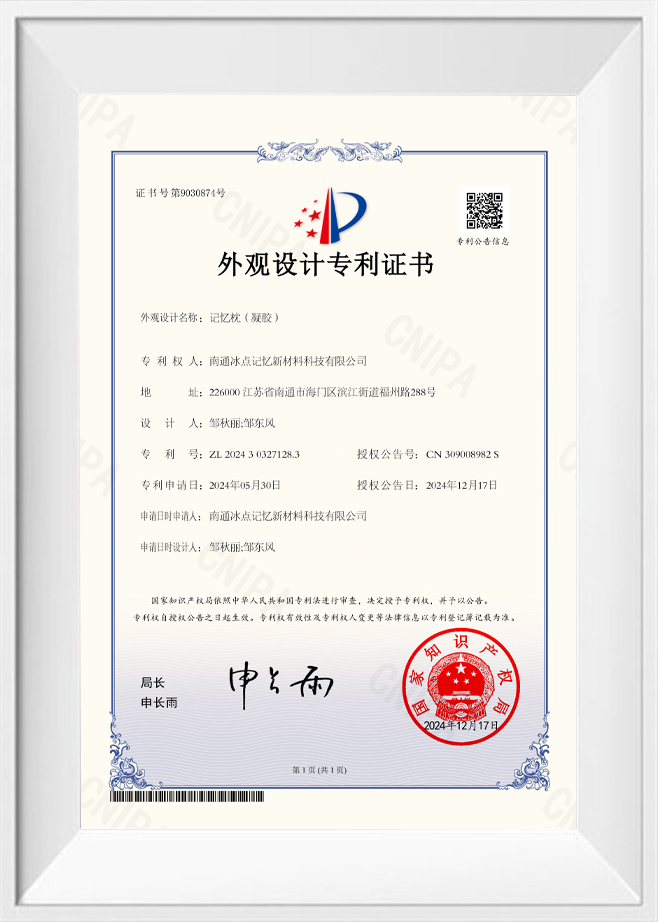
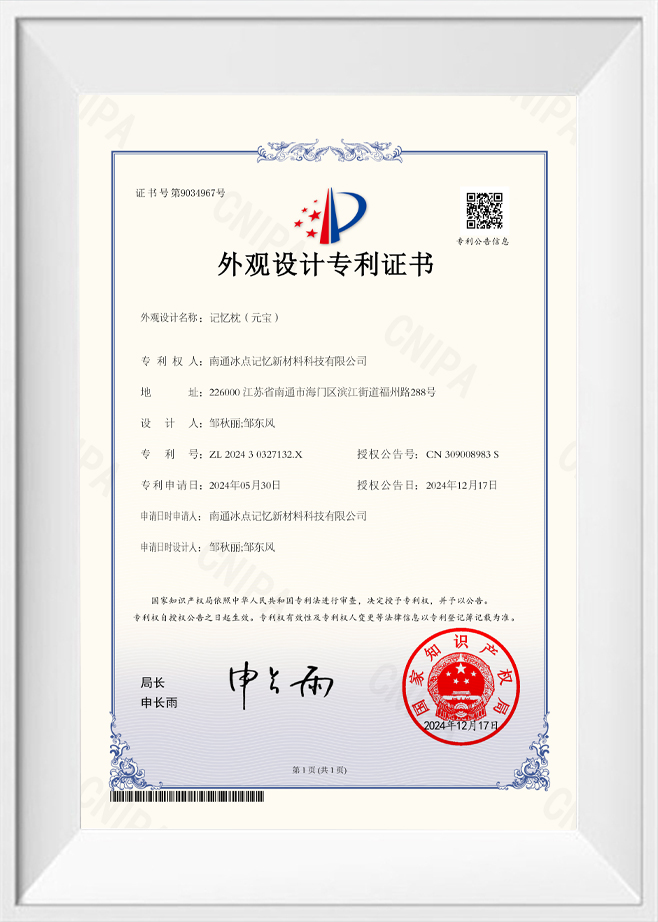
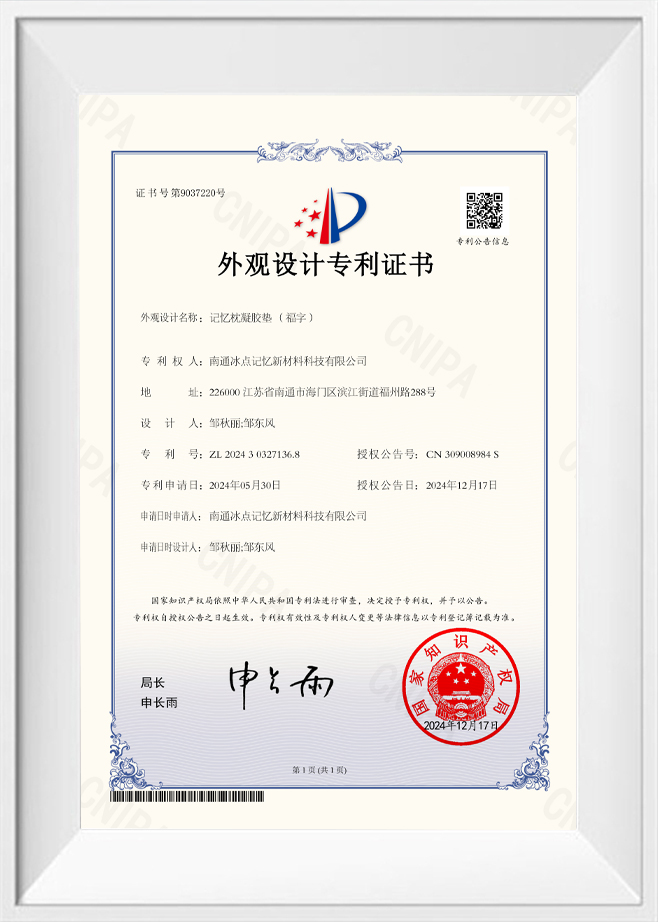
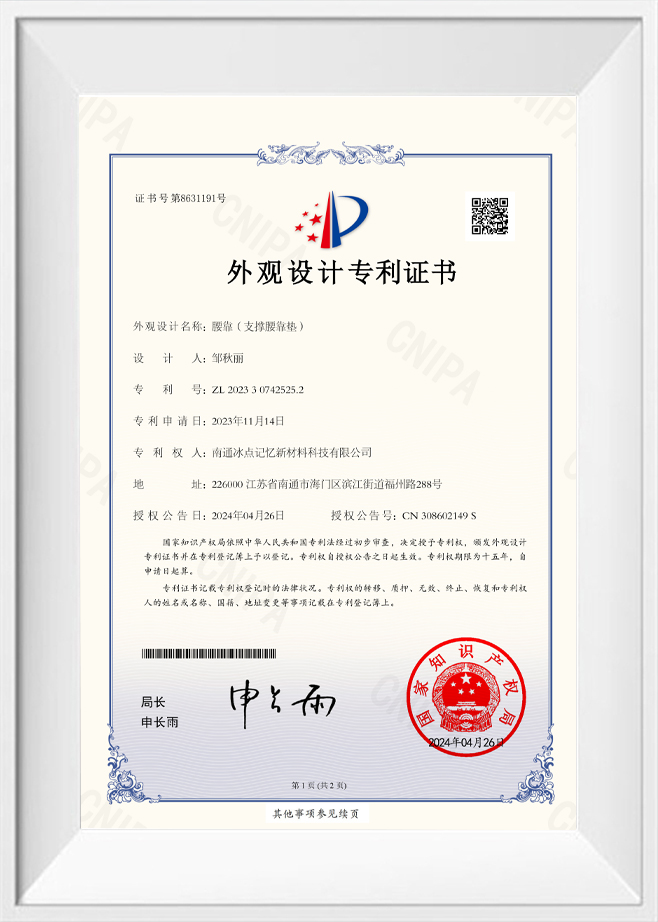
Nantong Freezing Memory leverages advanced polyurethane formulations and patented technologies to enhance memory foam density and resilience, ensuring long-term durability and superior ergonomic support.
Latex Foam
Latex, derived from natural or synthetic sources, is highly elastic and breathable. It is widely used for its supportive yet springy characteristics. Key functions include:
Elastic Support: Provides immediate bounce-back, reducing pressure points.
Ventilation: Natural open-cell structure promotes airflow, maintaining a cooler sleep surface.
Durability & Anti-Microbial Properties: Resistant to sagging, dust mites, and bacteria.
The company’s latex production lines allow precise control over hardness, density, and cell structure, delivering bed mattresses that meet different comfort preferences and health standards.
Innerspring (Pocketed or Bonnell Springs)
Innerspring systems form the structural backbone of hybrid bed mattresses. Springs are designed to offer targeted support and promote spinal alignment. Functions include:
Support & Responsiveness: Springs react to weight and posture, maintaining correct spinal curvature.
Longevity: High-quality steel springs prevent deformation over extended use.
Breathability: Air can circulate freely between coils, improving thermal comfort.
Gel-Infused Foam and Cooling Layers
Gel-infused foams or phase-change materials are increasingly integrated into bed mattresses to enhance temperature regulation. Their functions include:
Heat Dissipation: Reduces overheating by absorbing and releasing body heat.
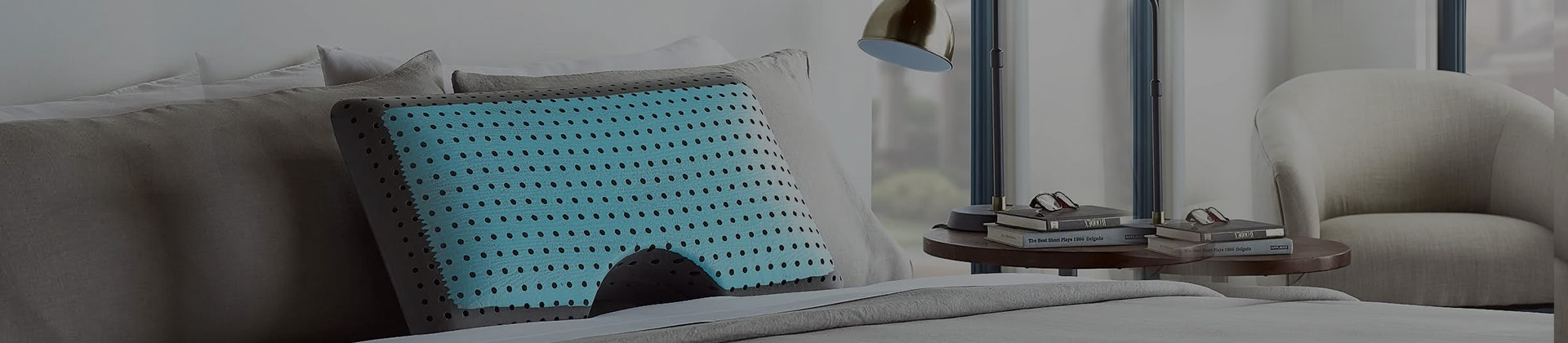
Enhanced Comfort: Works with memory foam or latex to provide a cooler, more comfortable sleep surface.
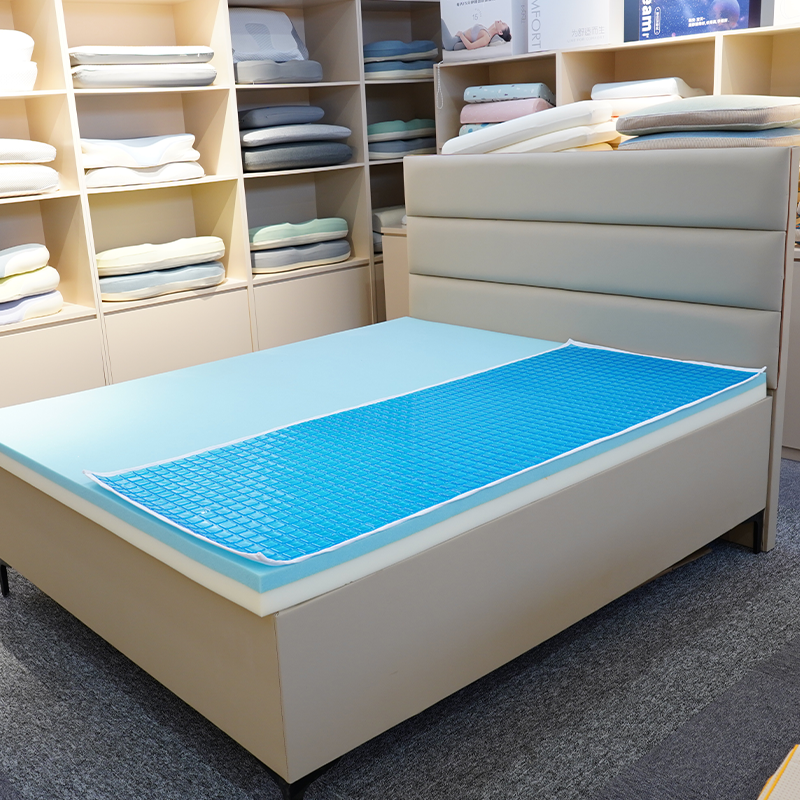
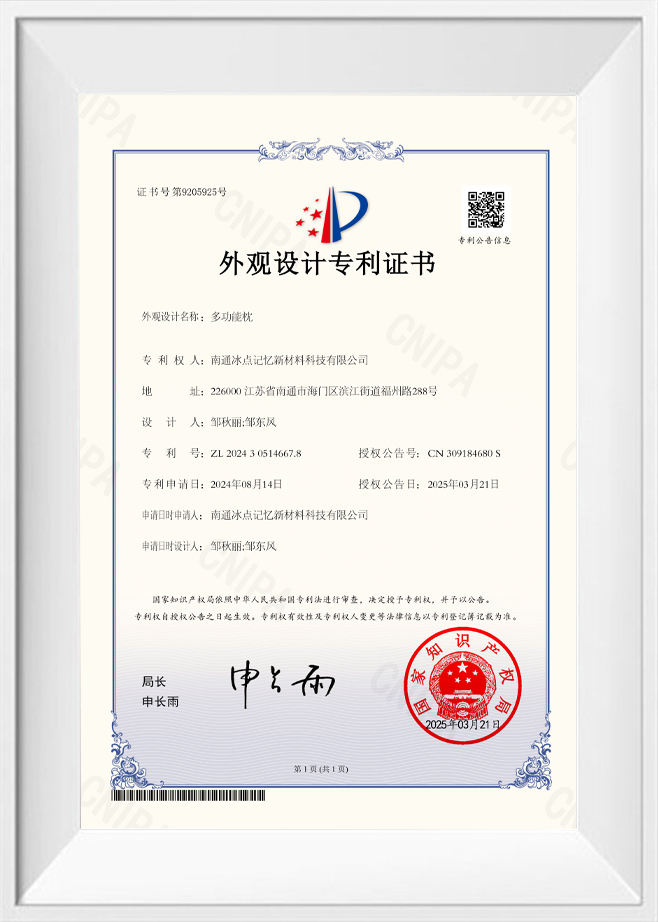
With advanced R&D capabilities and over 100 national patents, Nantong Freezing Memory develops gel-infused layers that maintain long-term performance and thermal stability.
Thermoplastic Elastomers (TPE) and Silicone Layers
TPE and silicone are used for cushioning, edge support, and specialized ergonomic features. Functions include:
Flexibility and Durability: Retains shape under repeated stress.
Shock Absorption: Protects pressure-sensitive areas such as shoulders and hips.
Customization: Easily molded into specialized shapes for medical, travel, or automotive applications.
The company’s automated TPE and silicone lines ensure precision molding, enabling custom bed mattress components for varied industrial and consumer needs.
|
Material
|
Density (kg/m³)
|
Firmness (IL/Hardness)
|
Breathability
|
Durability
|
Primary Function
|
|
Memory Foam
|
50–85
|
Medium-Soft to Firm
|
Medium
|
Medium
|
Pressure relief, motion isolation
|
|
Latex Foam
|
55–95
|
Soft to Medium-Firm
|
High
|
High
|
Elastic support, ventilation, anti-microbial
|
|
Innerspring Steel
|
N/A
|
Soft to Firm
|
High
|
Very High
|
Structural support, spinal alignment
|
|
Gel-Infused Foam
|
50–75
|
Medium
|
Medium-High
|
Medium
|
Temperature regulation, comfort
|
|
TPE / Silicone
|
60–120
|
Medium-Firm
|
Medium
|
High
|
Edge support, cushioning, ergonomic design
|
What are the requirements for bed mattress hardness for different sleeping positions?
Back Sleepers (Supine Position)
Back sleeping is the most neutral position, as the body weight is evenly distributed across the back, hips, and shoulders. For back sleepers, bed mattress firmness should:
Medium-Firm (5–7 on a 10-point firmness scale): Provides enough support to maintain natural spinal curvature while avoiding excessive sinking of the hips.
Pressure Redistribution: Memory foam or latex layers can enhance comfort around the shoulder blades and lower back.
Support Consistency: Innerspring or hybrid constructions offer long-term support and prevent sagging.
Nantong Freezing Memory incorporates medium-firm polyurethane and latex layers with optimized density and elasticity, ensuring proper spinal alignment for back sleepers without sacrificing comfort.
Side Sleepers (Lateral Position)
Side sleeping concentrates pressure on the shoulders and hips, making bed mattress softness and contouring critical:
Medium-Soft to Medium (4–6 on firmness scale): Allows shoulders and hips to sink slightly while keeping the spine aligned.
Enhanced Pressure Relief: High-density memory foam or latex layers with good conformability are ideal.
Motion Isolation: Reduces disturbance from a partner’s movement, which is important for side sleepers.
Using advanced material engineering, Nantong Freezing Memory produces multi-layer bed mattresses combining soft comfort layers with supportive base cores, effectively distributing body weight and reducing peak pressure on lateral points.
Stomach Sleepers (Prone Position)
Stomach sleeping can place strain on the lower back and neck, making firmer bed mattresses more suitable:
Medium-Firm to Firm (6–8 on firmness scale): Prevents excessive sinking of the torso and maintains spinal alignment.
Supportive Core: High-resilience foam or pocketed spring cores provide consistent support across the abdominal region.
Minimal Contouring: Overly soft bed mattresses may cause back hyperextension and discomfort.
Nantong Freezing Memory’s R&D team has optimized foam density and resilience parameters to provide firm yet comfortable support layers specifically suitable for prone sleepers, while maintaining overall ergonomic design.
Combination Sleepers
Combination sleepers change positions during the night, so their bed mattress must offer a balance:
Medium-Firm (5–7 on firmness scale): Combines pressure relief with adequate support across different positions.
Adaptive Materials: Memory foam or TPE layers with high elasticity allow smooth transitions between positions.
Durable Support: Multi-zone constructions can support heavier areas like hips while cushioning lighter areas like shoulders.
Nantong Freezing Memory leverages patented multi-zone design and hybrid material integration to create bed mattresses that accommodate dynamic weight distribution and maintain comfort for combination sleepers.
|
Sleeping Position
|
Recommended Firmness
|
Ideal Material Layers
|
Key Function
|
Notes for Manufacturing
|
|
Back (Supine)
|
Medium-Firm (5–7)
|
Memory Foam / Latex + Innerspring
|
Spinal alignment, moderate pressure relief
|
Balance comfort and support
|
|
Side (Lateral)
|
Medium-Soft to Medium (4–6)
|
High-Density Memory Foam / Soft Latex
|
Pressure point relief, contouring, motion isolation
|
Prioritize shoulder/hip sinkage
|
|
Stomach (Prone)
|
Medium-Firm to Firm (6–8)
|
High-Resilience Foam / Hybrid Core
|
Spine support, prevent sagging
|
Ensure torso remains stable
|
|
Combination
|
Medium-Firm (5–7)
|
Multi-Zone Memory Foam / TPE / Hybrid
|
Adaptive support, weight distribution
|
Multi-zone design for dynamic sleepers
|



 中文简体
中文简体