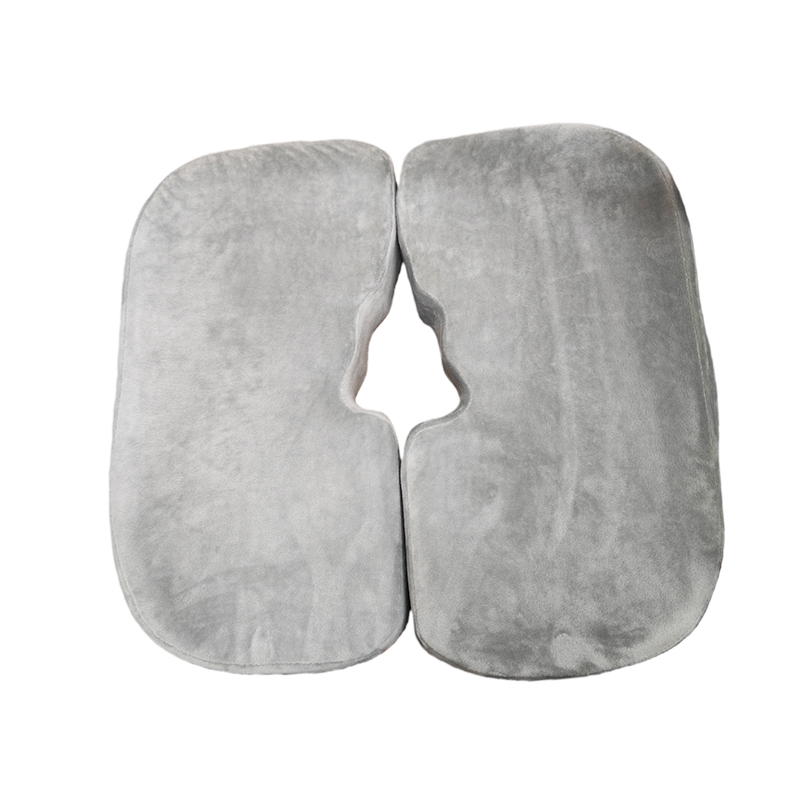
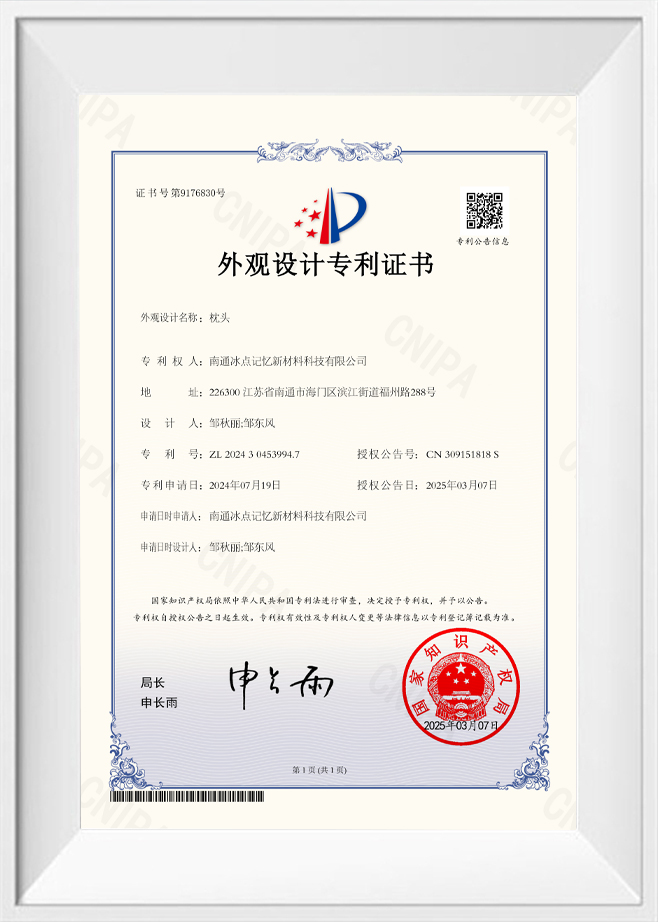
The Ordinary Seat Cushion is meticulously developed and manufactured by Nantong Freezing Memory New Material Technology Co., Ltd. Leveraging the company's extensive expertise in materials such as polyurethane, silicone, latex, and TPE, the product offers exceptional comfort, support, and durability. The company's highly automated production line ensures that every seat cushion meets high quality standards from design to production. Leveraging its extensive experience in diverse applications, including home, automotive, and office, Nantong Freezing Memory New Material Technology Co., Ltd. continuously optimizes the cushion's structure and material combination to enhance comfort and reduce fatigue for extended sitting. It is widely suitable for home, office, and travel use.
What is an Ordinary Seat Cushion? What are its structures and functions?
Ordinary seat cushions are the most common and widely used type of seat cushion. They are typically used as basic seat accessories in homes, offices, cars, outdoor spaces, and commercial spaces. Their primary purpose is to improve seat comfort, extend sitting time, reduce hip pressure, and protect the seat surface.
Structure and Composition: While the structure of an Ordinary Seat Cushion may appear simple on the surface, it is actually a carefully considered combination of materials, layered design, and functional configuration. First, regarding filling materials, PU foam (polyurethane foam) is a popular choice due to its lightness and high elasticity. Memory foam senses pressure and slowly rebounds, making it suitable for users seeking pressure relief and comfort. Latex, with its natural antibacterial properties and excellent breathability, is often found in mid- to high-end products. Cotton or polyester fibers are soft and fluffy, making them suitable for short breaks or winter warmth. Regarding outer fabrics, fabric is skin-friendly and breathable, suitable for everyday use. Leather is stain-resistant and easy to clean, making it widely used in cars and offices. Mesh offers excellent breathability and is suitable for summer use, while soft fabrics like coral fleece and flannel are particularly well-suited for colder weather. The base structure also requires careful consideration, such as non-slip granular bases to prevent movement, zippers for easy removal and washing, and fastening straps or Velcro to secure the cushion to the seat.
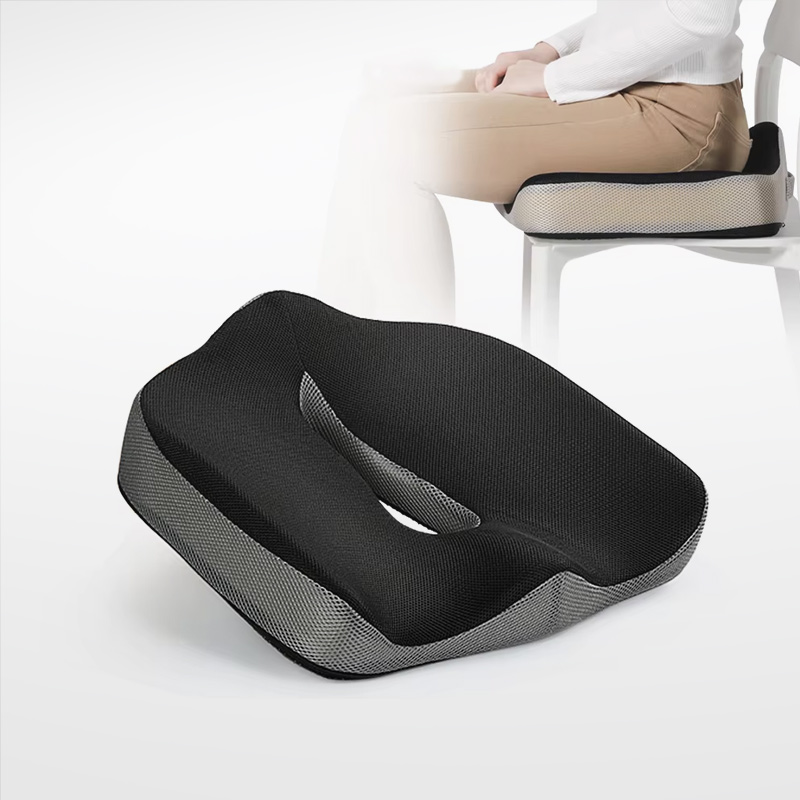
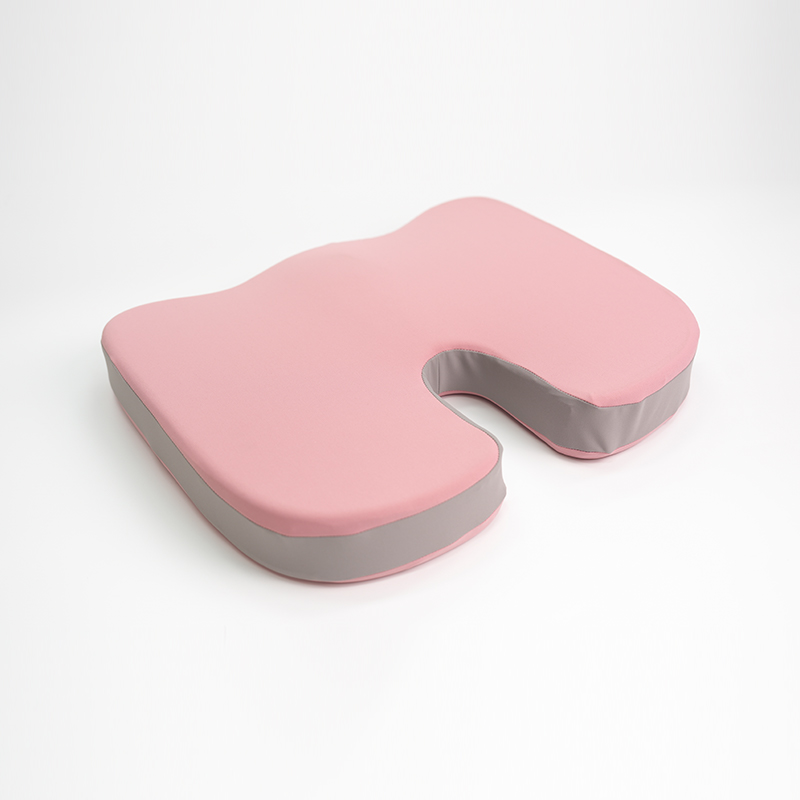
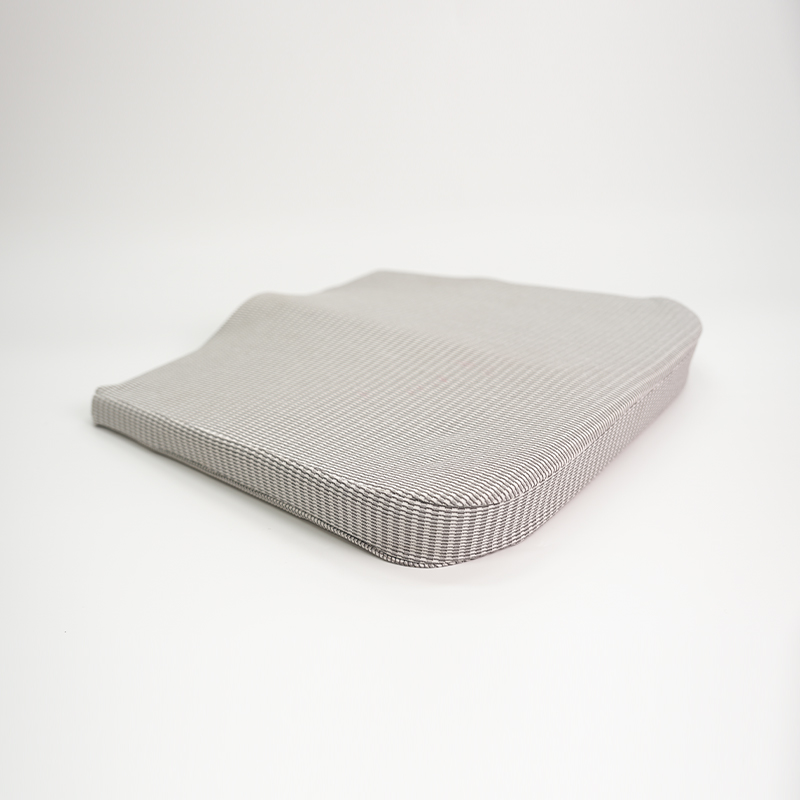
Shape and Fit: To accommodate different seats and usage requirements, standard seat cushions have been designed in a variety of shapes and structures. The most common square and round seat cushions are suitable for standard seating, such as dining chairs, wooden chairs, and office chairs, making them easy to replace and use daily. U-shaped seat cushions are designed to reduce pressure on the coccyx and are suitable for those working long hours or experiencing lumbar spine issues. Wedge-shaped seat cushions are commonly used in driving and can effectively improve anterior pelvic tilt while providing back support. Furthermore, foldable seat cushions, due to their portability and storage, are often used for outdoor activities or temporary settings, demonstrating the flexibility and wide adaptability of standard seat cushions.
Core Function: The core function of a standard seat cushion goes far beyond simply improving seating comfort. Through appropriate filling materials and structural design, it can effectively relieve pressure on the hips, thighs, and even the lumbar spine, alleviating fatigue and discomfort caused by prolonged sitting. Furthermore, seat cushions protect the seat surface, preventing wear and dirt, and extending the lifespan of the furniture. In colder environments, they also provide insulation and warmth, preventing cold air from being transferred from the seat to the body. Furthermore, the diverse colors and patterns of seat cushions add a decorative touch to any home or office, making them both practical and beautiful, making them an essential accessory in modern life.
What is the difference between a standard seat cushion and a functional seat cushion?
Functional seat cushions feature more sophisticated construction and materials, often designed for specific groups or needs, such as improving sitting posture, distributing pressure, and alleviating lumbar pain. Conventional seat cushions, on the other hand, prioritize versatility and affordability, making them suitable for everyday use by a broad range of consumers.
The differences primarily lie in the following aspects:
Support: Functional seat cushions are generally designed with ergonomic principles in mind, focusing on providing excellent sitting support and body support. For example, memory foam cushions automatically adjust their shape based on the user's body shape and weight distribution, distributing pressure more evenly, maintaining the natural curve of the spine, and effectively reducing pressure on the hips and lumbar spine. Some specialized seat cushions also feature pressure relief grooves in the coccyx area to prevent pain caused by prolonged pressure. In contrast, conventional seat cushions offer relatively weak support, primarily providing basic cushioning. While comfortable for short periods, they can be unstable during extended use or during high-intensity sitting situations, leading to slumping and poor posture. They are therefore unsuitable for long-term office work or rehabilitation.
Materials and Technology: Functional seat cushions are more technologically advanced in their material selection, often integrating advanced materials and structural technologies. For example, thermal memory foam can intelligently deform in response to body temperature and pressure, while cold gel offers excellent breathability and cooling properties, significantly improving comfort during prolonged sitting in the summer. Additionally, there are air cushions or dynamic air pressure cushions, which utilize adjustable airbags to adjust pressure, suitable for users seeking to prevent bedsores. Conventional seat cushions, on the other hand, are often made of PU foam, PP cotton, polyester fiber, or other conventional fillings. While these materials offer cost advantages, they have limitations in durability, breathability, and pressure relief, making them more suitable for simpler settings, such as home chairs and temporary meeting chairs.
Price and Audience: Conventional seat cushions are generally more affordable due to their simple manufacturing process and low material costs, making them suitable for everyday use by the general public, including homes, students, and public spaces. These products prioritize cost-effectiveness and simply meet basic seating needs. Functional seat cushions, however, are made of high-performance materials and feature ergonomic design, resulting in relatively higher costs and prices. These cushions are typically targeted at specific user groups, such as office workers with long hours, pregnant women, the elderly, those recovering from surgery, and drivers. These groups prioritize health benefits and long-term comfort. Consequently, consumer choices reflect a distinct stratification between the two target audiences.
Thus, when choosing a standard or functional seat cushion, one should consider the user's specific needs before deciding whether to opt for a standard or functional seat cushion.



 中文简体
中文简体