What are the main design differences between children's and adult pillows?
In sleep product design, pillows, as crucial components for supporting the head and neck, adjusting sleeping posture, and improving sleep quality, must be professionally designed based on the body structures and needs of different age groups. In particular, there are significant differences between children's and adult pillows in design concept, functionality, and material selection. Children are at a critical stage of growth and development, with their cervical spine and spinal column still incompletely formed. Therefore, a well-designed pillow has a direct impact on their healthy growth. Adult pillows, on the other hand, focus more on comfort, cervical support, and a personalized sleep experience.
As a comprehensive company specializing in new material research and development and sleep product ODM services, Nantong Freezing Memory New Material Technology Co., Ltd. consistently focuses on the development and manufacturing of differentiated products for children and adults. Leveraging a production facility spanning over 20,000 square meters and highly automated production lines for polyurethane, silicone, latex, and TPE, the company enables flexible customization in material innovation, process optimization, and application scenarios to meet the specialized needs of different age groups.
Differences in Human Anatomy and Development
Children's cervical spine exhibits a straighter physiological curve, and their heads are larger relative to their bodies. Therefore, pillows should be significantly lower than adult pillows and should be soft but not excessively concave to ensure a natural rest for the head and neck. Adults have a fixed cervical spine curvature, requiring personalized pillow height and support adjustments to accommodate different sleeping positions.
Design Parameter Comparison
The following compares the key design parameters of children's and adult pillows:
|
Parameter (Design Aspect)
|
Children’s Pillow
|
Adult’s Pillow
|
|
Pillow Height
|
3–6 cm, adjustable with age
|
8–12 cm, depending on sleeping posture
|
|
Pillow Size
|
Smaller, typically 30×50 cm
|
Larger, commonly 48×74 cm
|
|
Support Requirement
|
Gentle, balanced support to protect spine
|
Stronger, ergonomic support for cervical
|
|
Hardness/Firmness
|
Medium-soft, prevents excessive pressure
|
From medium-soft to medium-firm
|
|
Material Priority
|
Hypoallergenic, breathable, natural safety
|
Comfort, durability, adaptive memory foam
|
|
Surface Design
|
Flat or slightly contoured, anti-rollover
|
Multiple contour options, side-sleep design
|
|
Safety Standard
|
Non-toxic, chemical-free, anti-mite
|
Comfort, durability, orthopedic features
|
Material Selection Considerations
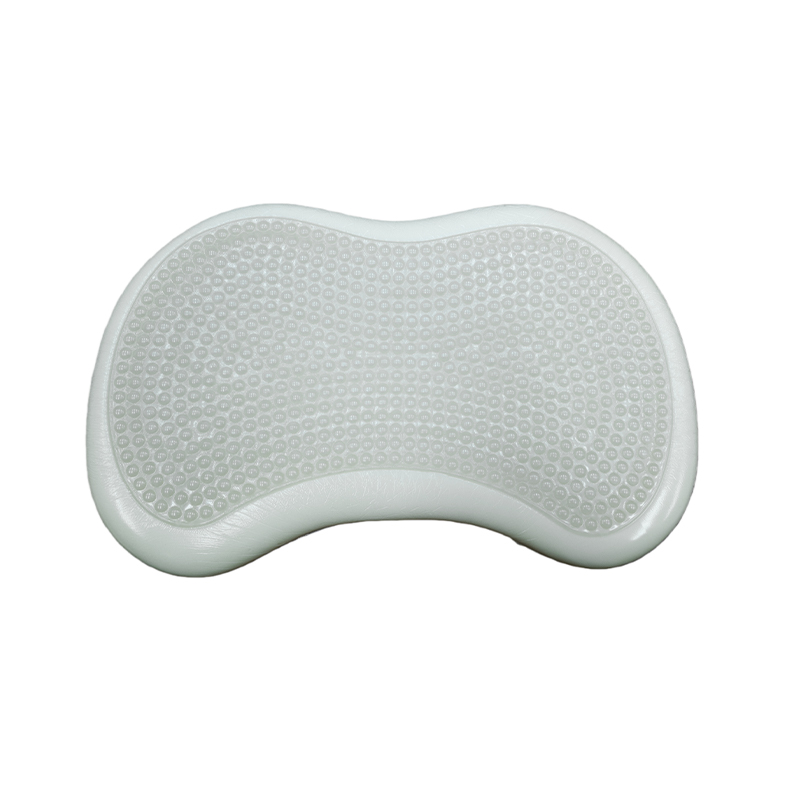
Children's pillows place greater emphasis on safety and environmental friendliness, avoiding harmful chemicals and ensuring breathability and antibacterial properties. Commonly used materials, such as latex, fiber, and breathable memory foam, must all be safety-certified to ensure they are skin-friendly for children. Adult pillows offer greater comfort and personalization, with designs like memory foam, gel, and zoned support structures to better meet users' pursuit of healthy sleep.
Nantong Freezing Memory New Material Technology Co., Ltd. possesses proprietary polyurethane and latex material processing technology, enabling precise control of hardness, elasticity, and breathability based on customer needs. For example, the company's high-rebound polyurethane material provides soft support in children's pillows, while in adult pillows, adjustments in density and rebound speed can be made to meet cervical correction and deep support requirements.
Safety and Health Standards
Children's pillows must be designed to strictly adhere to non-toxic, hypoallergenic, and environmentally friendly standards to ensure safety during long-term contact. Furthermore, products must pass relevant national and industry testing and certification to avoid potential risks such as formaldehyde and volatile organic compounds. In contrast, safety standards for adult pillows are equally important in terms of chemical restrictions, but industry applications place greater emphasis on ergonomics and long-term durability.
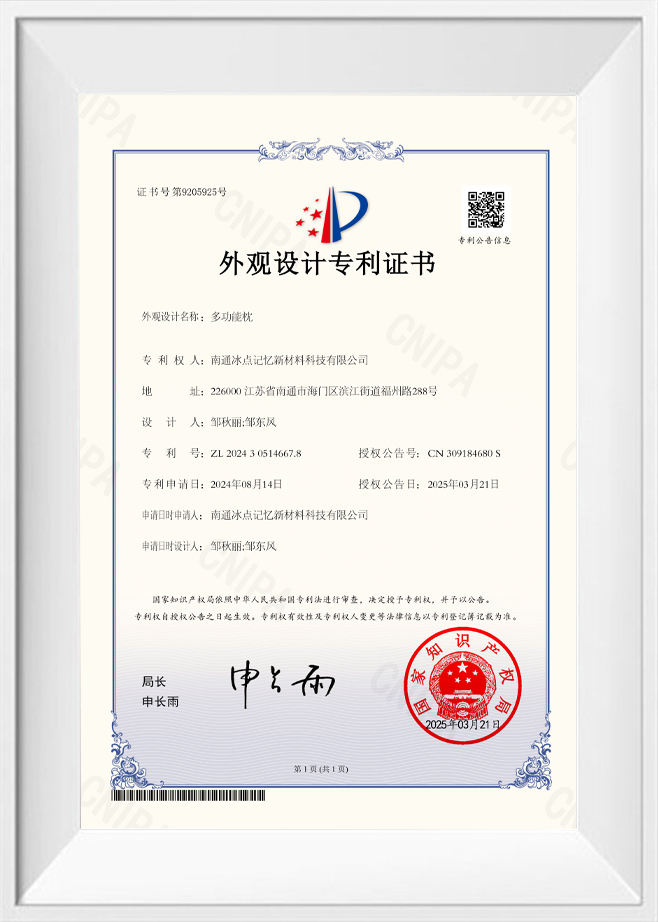
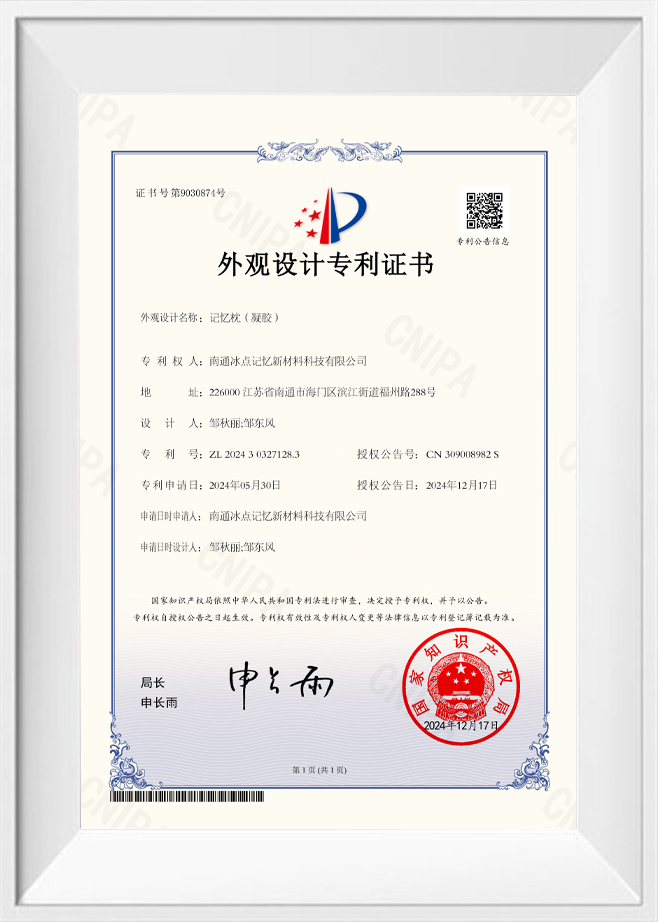
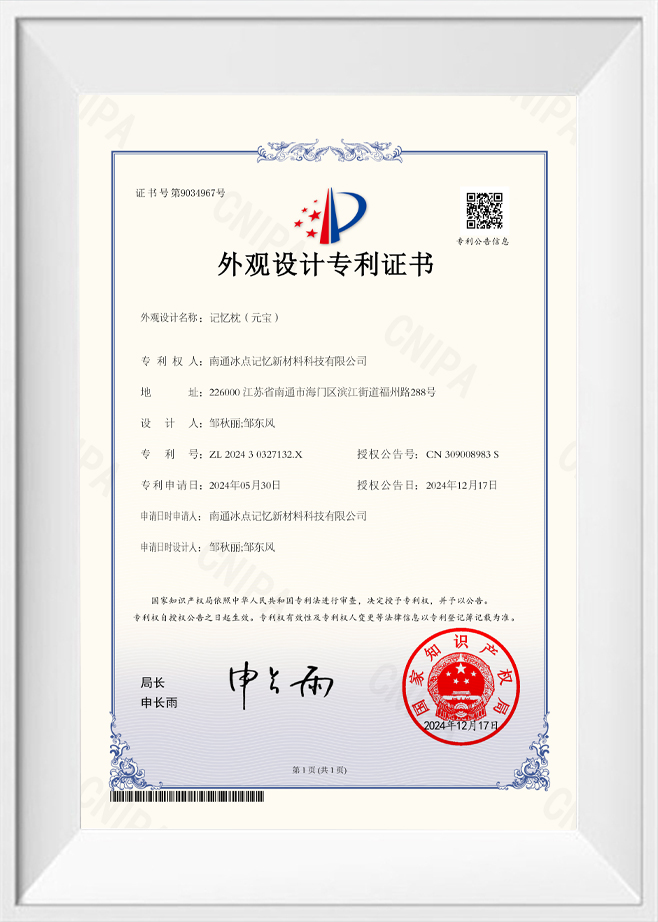
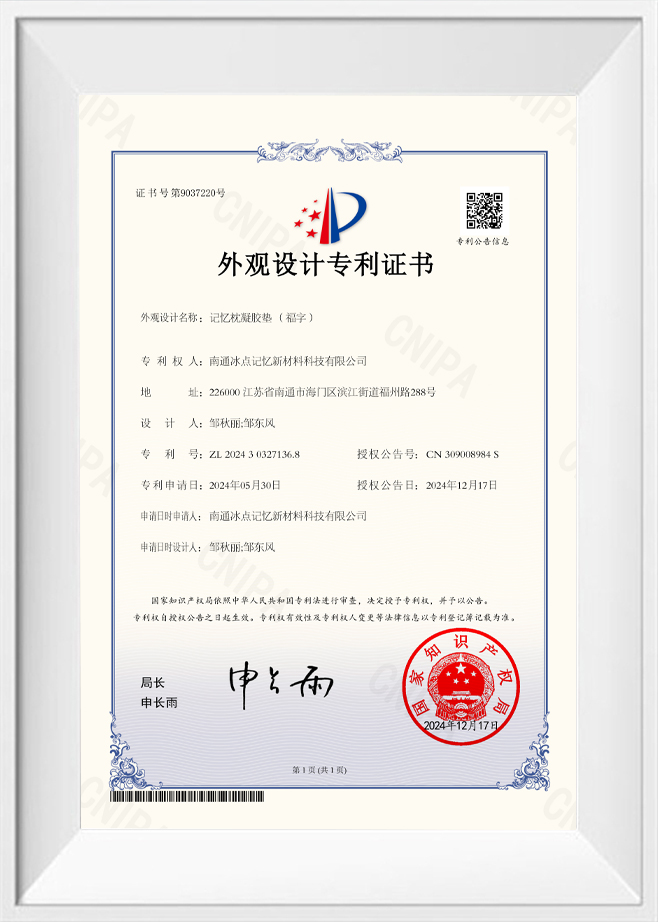
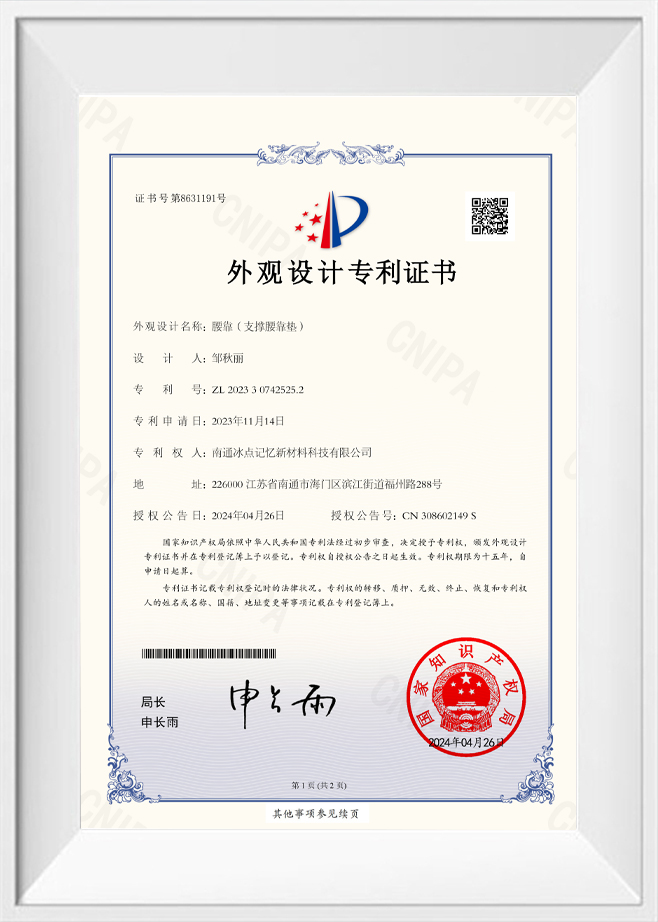
During its R&D process, the company adheres to the principle of "health first." All products undergo rigorous raw material testing and process optimization to ensure end-user safety. With over 100 national patents and certification as a "National High-Tech Enterprise," Nantong Freezing Memory New Material Technology Co., Ltd. can provide customers with sleep solutions that meet international standards.
Application Scenarios and Customization
At the application level, children's pillows are more commonly used in home and educational settings, such as kindergarten naps and family bedrooms. Adult pillows have a wider application range, including homes, hotels, cars, and offices. With consumer upgrades and growing health awareness, customer demand for differentiated products is increasing, making the advantages of the ODM model increasingly prominent.
Leveraging a comprehensive R&D, design, and production chain, Nantong Freezing Memory New Material Technology Co., Ltd. is able to provide customized services for diverse customer groups. For example, for children's product series, the company can develop exclusive anti-mite breathable pillow cores; for the adult market, it can launch innovative products such as temperature-sensing memory pillows and smart sleep monitoring pillows.
How to Design the Height and Shape of Children's Pillows for Different Ages
Infant and Toddler Stage (0–2 Years)
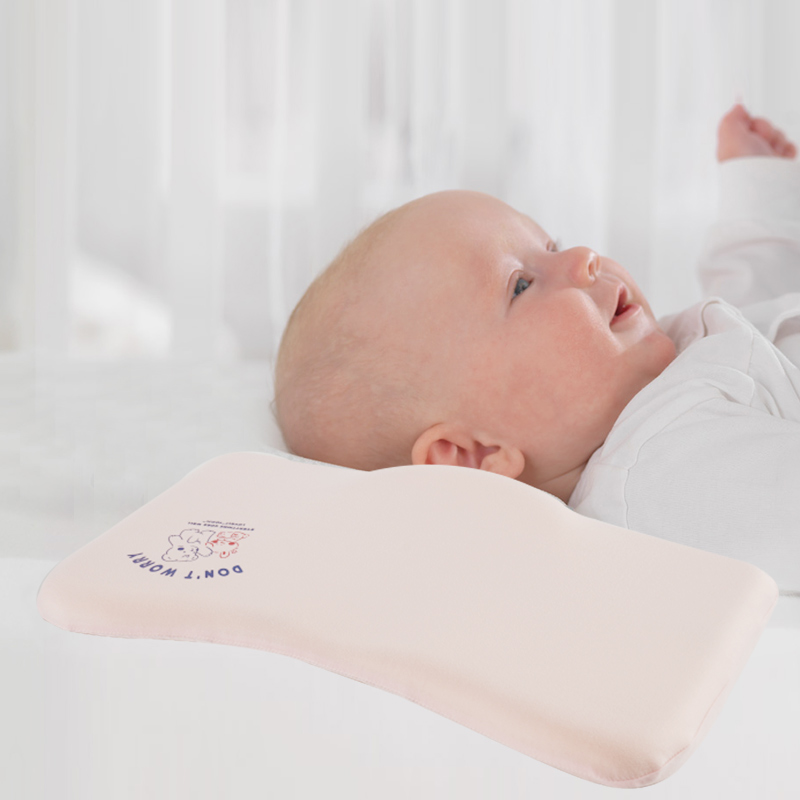
During this stage, children's cervical spine has not yet formed a distinct physiological curvature, their heads are larger relative to their bodies, and their neck muscles are underdeveloped. Therefore, traditional pillows are generally not recommended to prevent suffocation or neck discomfort. If necessary, flat or shaped pillows less than 2 cm in height should be selected, primarily with a slightly concave design to maintain head stability and prevent tilting or flattening.
Company Advantages: Leveraging proprietary polymer materials, Nantong Freezing Memory New Material Technology Co., Ltd. develops soft, breathable, and non-toxic TPE or high-resilience polyurethane materials for infant and toddler pillows, ensuring safe and appropriate support for infants and toddlers.
Preschool Stage (3–6 Years)
As children's cervical spine gradually develops its physiological curvature, the demand for pillow height and shape increases. A low pillow, 3–6 cm in height, is appropriate for this stage to smooth the difference between the neck and shoulders. The shape can feature a slight curve or concave design, ensuring cervical spine comfort while avoiding excessive head elevation.
Company Advantages: Our highly automated latex and polyurethane production lines enable us to develop naturally breathable, antibacterial, and mite-resistant pillow core materials. Combined with mold-forming technology, we produce customized pillows that conform to the curves of children's necks.
School Age (7–12 Years)
During school age, children's height and body size grow rapidly, and their cervical spine curves become closer to those of adults, but remain relatively fragile. During this period, a medium-low pillow with a height of 6–9 cm is recommended. The shape can be wavy or ergonomically contoured to provide appropriate cervical support and accommodate various sleeping positions (back and side).
Company Advantages: Leveraging our extensive R&D experience in memory foam and polyurethane materials, Nantong Freezing Memory New Material Technology Co., Ltd. is able to develop pillows with thermal memory properties for school-age children. This ensures even force distribution across the head and neck, alleviating neck fatigue caused by long-term study and poor posture.
Adolescence (13-18 years old)
The cervical spine of adolescents approaches that of adults. Rapid physical development, coupled with frequent learning and electronic device use, creates increased pressure on the neck. A medium-height pillow of 9-12 cm is suitable for this stage. A pillow with zoned support is recommended, creating varying levels of support for the head, neck, and shoulders to maintain smooth breathing and a natural cervical curvature.
Company Advantages: The company holds over 100 national patents and leads the way in material density control and mold technology. We can design zoned pillows tailored to the physiological characteristics of adolescents, ensuring both comfort and improved cervical health management.
|
Age Group
|
Recommended Pillow Height
|
Suggested Shape Design
|
Key Design Considerations
|
|
0–2 years
|
< 2 cm
|
Flat or slight concave
|
Safety first, prevent suffocation, head shaping
|
|
3–6 years
|
3–6 cm
|
Mild curve or light concavity
|
Gentle neck support, breathable materials
|
|
7–12 years
|
6–9 cm
|
Wave-shaped or ergonomic curve
|
Balanced support, adaptability to sleeping posture
|
|
13–18 years
|
9–12 cm
|
Zoned or contoured design
|
Stronger support, cervical protection
|
What are the advantages and disadvantages of latex, memory foam, down, and polyester fiber in children's pillows?
Latex
Advantages:
Natural and environmentally friendly, typically derived from the sap of rubber trees, hypoallergenic.
Highly elastic, effectively supports children's head and neck, preventing collapse.
Excellent breathability, allows for air circulation inside the pillow, reducing stuffiness.
Antibacterial and mite-resistant, suitable for children with sensitive constitutions.
Disadvantages:
Relatively high cost, making it unsuitable for price-sensitive markets.
The odor of latex may be unacceptable to some children.
Long-term use may cause oxidation and aging.
Company Application: With its automated latex production line, Nantong Freezing Memory New Material Technology Co., Ltd. is able to produce latex children's pillows in varying hardness and thickness, ensuring that differentiated needs are met while ensuring health and environmental protection.
Memory Foam (Polyurethane Foam)
Advantages:
Slow rebound properties allow it to automatically conform to head and neck pressure, distributing stress.
Excellent support helps maintain the natural curve of the cervical spine.
Adjustable density and firmness to suit the needs of children of different ages.
Flexible molding allows for ergonomic shapes such as wavy and grooved shapes.
Disadvantages:
Relatively low breathability, which can cause a stuffy feeling if not optimized.
The chemical material source requires strict safety control to ensure the absence of harmful volatiles.
Excessive or insufficient softness may affect children's cervical spine health.
Company Application: Nantong Freezing Memory New Material Technology Co., Ltd. operates multiple highly automated polyurethane production lines. Through formula adjustment and process optimization, it can produce memory foam pillow cores with varying densities and rebound speeds, meeting children's comfort needs while ensuring safety and health.
Down Feather
Advantages:
Lightweight, soft, and pleasant to the touch, suitable for children sensitive to softness.
Excellent breathability and strong thermal insulation, suitable for cool environments.
The pillow is lightweight and easy for children to adapt to and use.
Disadvantages:
Low support, prone to collapse, unsuitable for long-term cervical curvature maintenance.
Prone to mites and bacteria, posing a high risk of allergies.
Difficult to clean and maintain.
Company Applications: Although down pillows have relatively limited application in the children's market, Nantong Freezing Memory New Material Technology Co., Ltd., leveraging its full industry chain integration capabilities, can combine down with other supporting materials in ODM projects to address the limitations of single materials and expand its product portfolio.
Polyester Fiber
Advantages:
Low cost, high cost-effectiveness, suitable for large-scale production and a widespread market.
Lightweight, soft, and breathable.
Machine washable for easy cleaning, meeting the practical needs of children's products.
Flexible filling process, adjustable firmness.
Disadvantages:
Limited support, prone to clumping and deformation after prolonged use.
Poor moisture absorption, good breathability but poor perspiration wicking.
Relatively short service life.
Application: Leveraging its large-scale production capabilities, Nantong Freezing Memory New Material Technology Co., Ltd. uses polyester fiber as a base material in children's pillow products, while combining it with latex or memory foam filling to achieve a balance between cost-effectiveness and functionality.
|
Material
|
Advantages
|
Disadvantages
|
|
Latex
|
Natural, hypoallergenic, elastic support, breathable, anti-mite
|
Higher cost, potential odor, aging risk
|
|
Memory Foam
|
Pressure relief, ergonomic support, customizable density & shape
|
Less breathable, needs strict safety control, risk of overheating
|
|
Down Feather
|
Soft, lightweight, breathable, good insulation
|
Poor support, allergy risk, hygiene and cleaning challenges
|
|
Polyester Fiber
|
Affordable, washable, lightweight, adjustable filling, mass production ready
|
Limited support, prone to lumping, shorter lifespan
|



 中文简体
中文简体