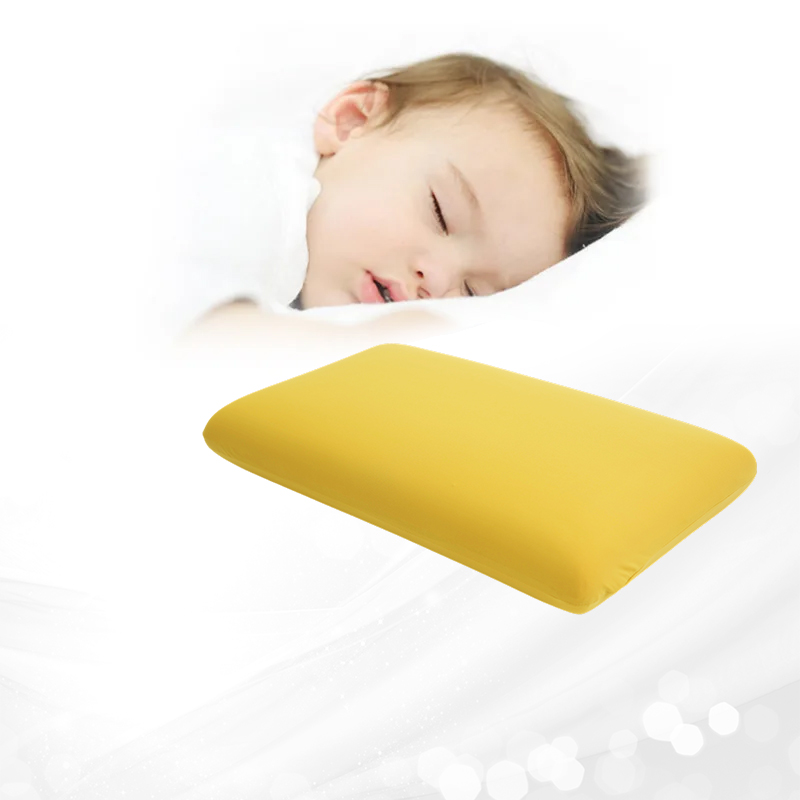
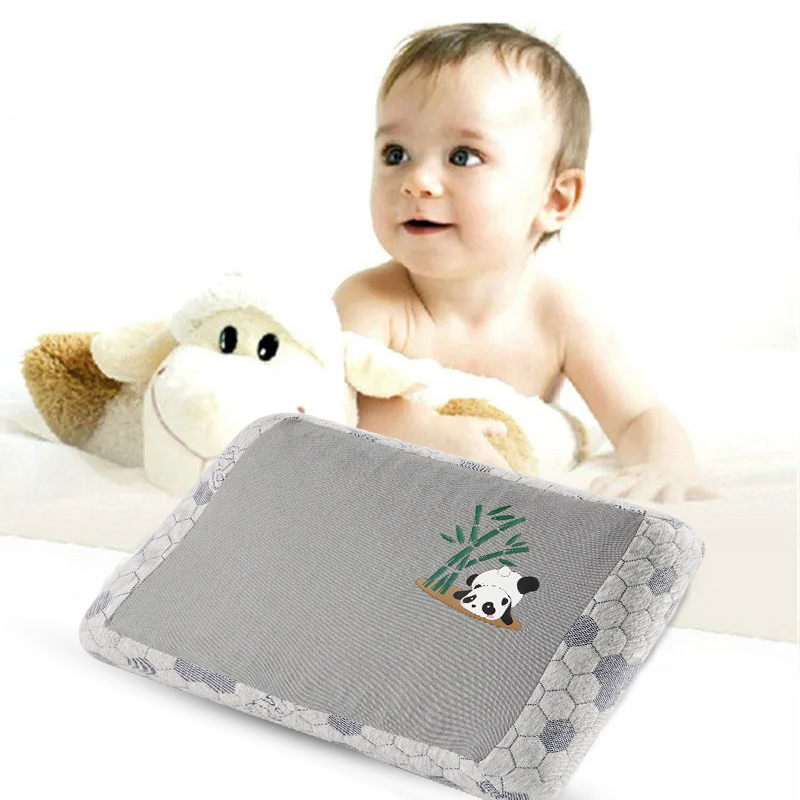
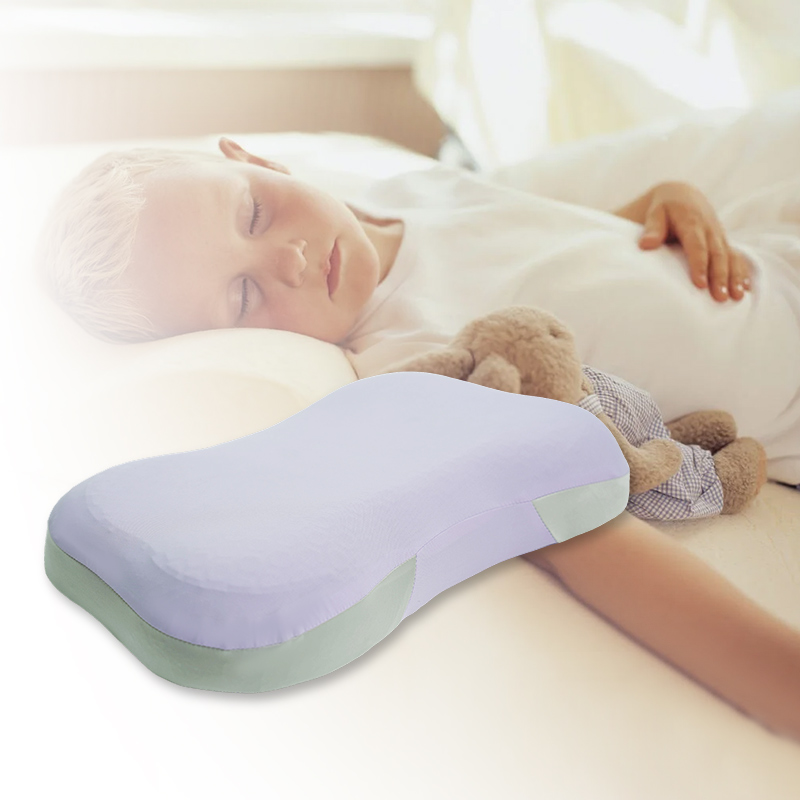
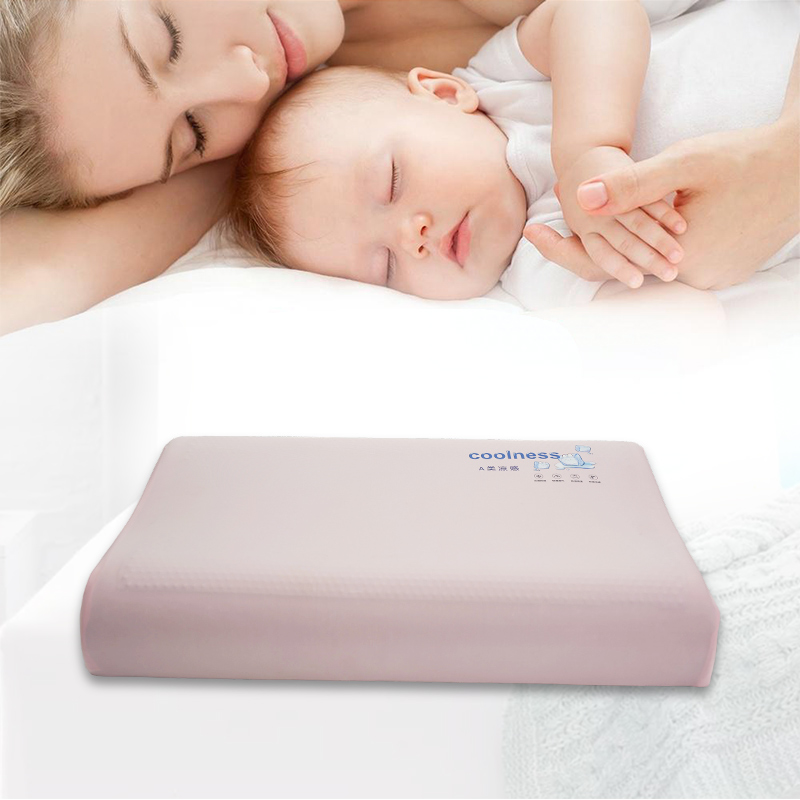
What is the difference between a slow rebound pillow and a traditional memory pillow?
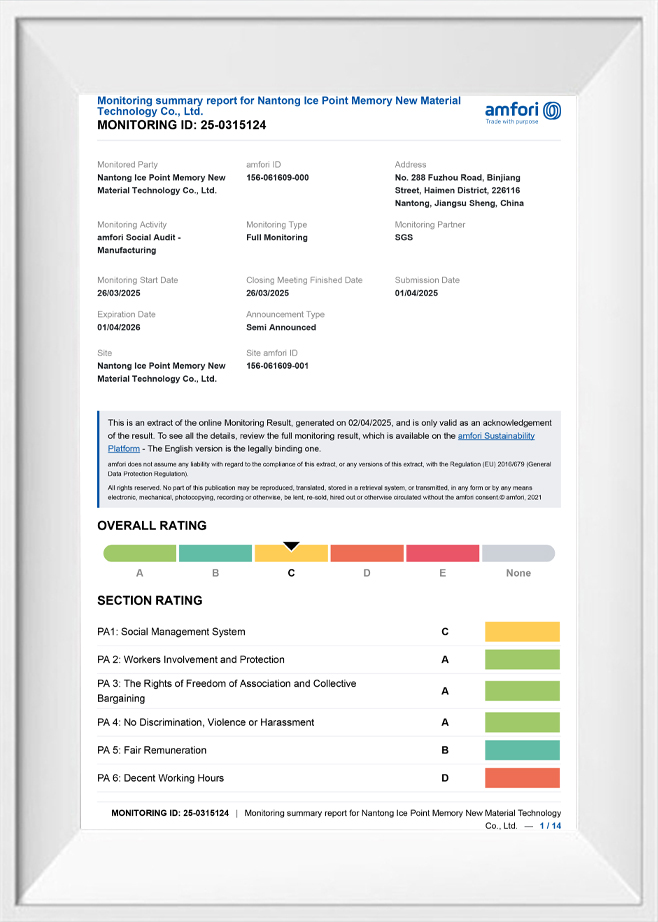
With the increasing demand for healthy sleep products, pillow innovation has become one of the key research areas in the bedding industry. As a comprehensive enterprise established in 2009, Nantong Freezing Memory New Material Technology Co., Ltd. has long been committed to new material research, product design, and ODM services. With more than 20,000 square meters of plant area, multiple automated production lines, and four shareholding factories, the company has continuously introduced advanced pillow technologies to meet the diverse needs of global B2B customers.
Core Concept Difference
Traditional memory pillows rely on viscoelastic foam (commonly called memory foam) that conforms to the head and neck based on pressure and heat. Their rebound characteristics are relatively faster, and the support is more static.
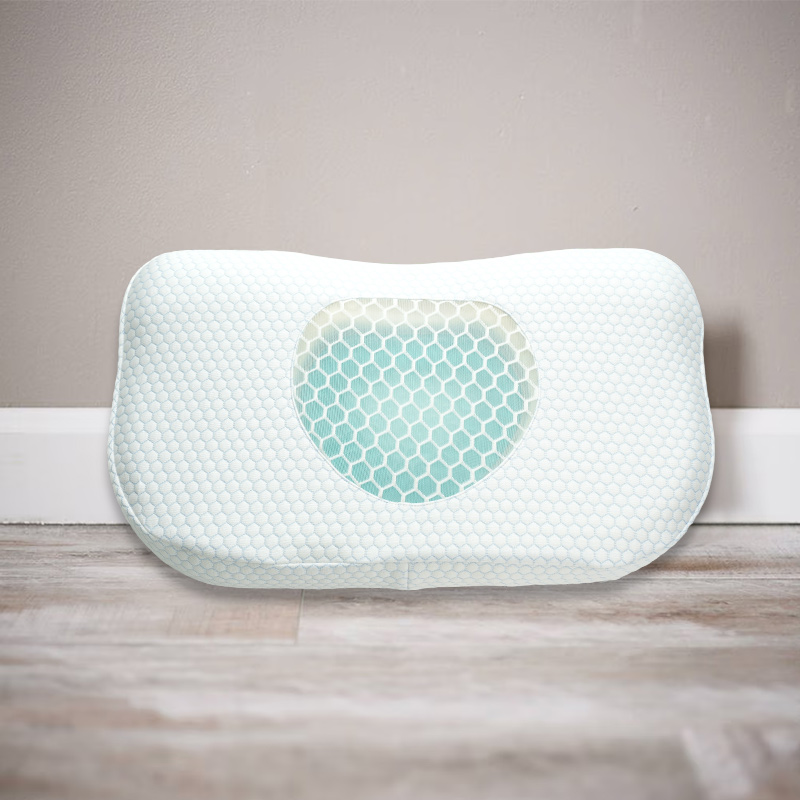
Slow-rebound pillows, on the other hand, are engineered to provide a controlled, gradual recovery after compression. This slow rebound effect ensures that the pillow continuously adapts to changes in posture, distributing pressure more evenly and maintaining ergonomic alignment for a longer period.
This technical distinction is not just a marketing label—it directly impacts sleep comfort, cervical spine health, and product positioning in different markets.
Material Innovation
Nantong Freezing Memory New Material Technology Co., Ltd. integrates polyurethane, silicone, latex, and TPE production lines, which enables the company to fine-tune slow-rebound foam formulations. Compared with conventional memory foam, slow-rebound foam is optimized for:
Density Control – enabling better balance between firmness and softness.
Cell Structure Optimization – ensuring consistent airflow and resilience.
Temperature Sensitivity Adjustment – minimizing seasonal hardness changes often found in traditional memory pillows.
Functional Performance
The slow-rebound design offers additional benefits in terms of adaptability and durability. Below is a clear comparison:
|
Parameter
|
Traditional Memory Pillow
|
Slow-Rebound Pillow
|
|
Rebound Speed
|
Fast to medium (1-2 seconds)
|
Slow and controlled (3-5 seconds)
|
|
Pressure Distribution
|
Partial, depending on sleep posture
|
Even and dynamic, adapts continuously
|
|
Durability
|
Easier to deform after long use
|
Maintains shape and performance longer
|
|
Temperature Sensitivity
|
More affected by cold/hot climate
|
Less fluctuation, stable comfort
|
|
User Adaptability
|
Good, but requires fixed posture
|
Excellent, accommodates posture changes
|
|
Market Positioning
|
Standard comfort segment
|
Premium ergonomic and health-oriented segment
|
Ergonomic and Health Considerations
Traditional memory pillows provide static support, which may be sufficient for general consumers. However, for users with cervical spine discomfort or sensitive sleep needs, the slow-rebound pillow provides continuous micro-adjustments that relieve local pressure points and reduce stiffness after long-term use.
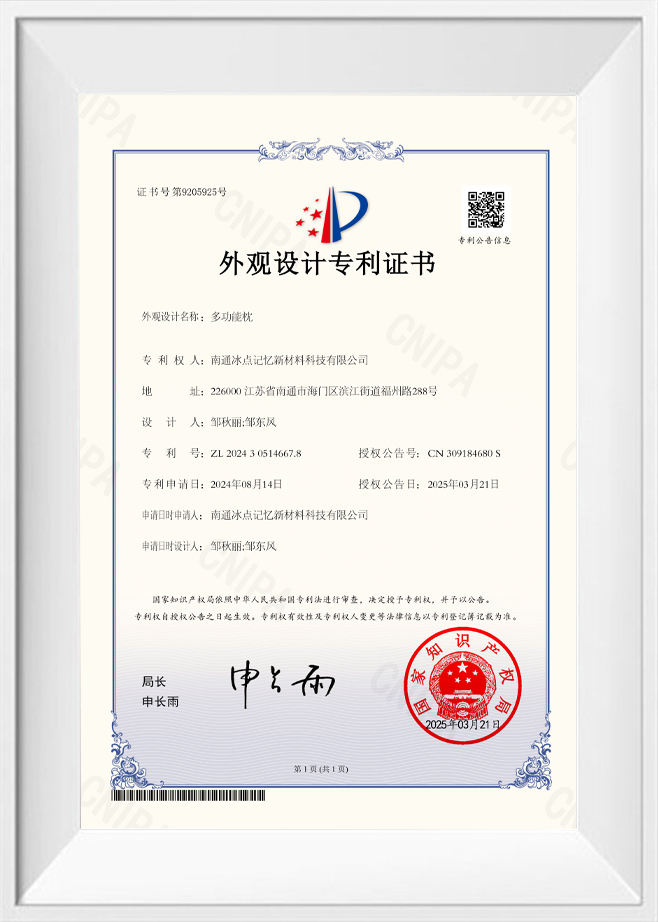
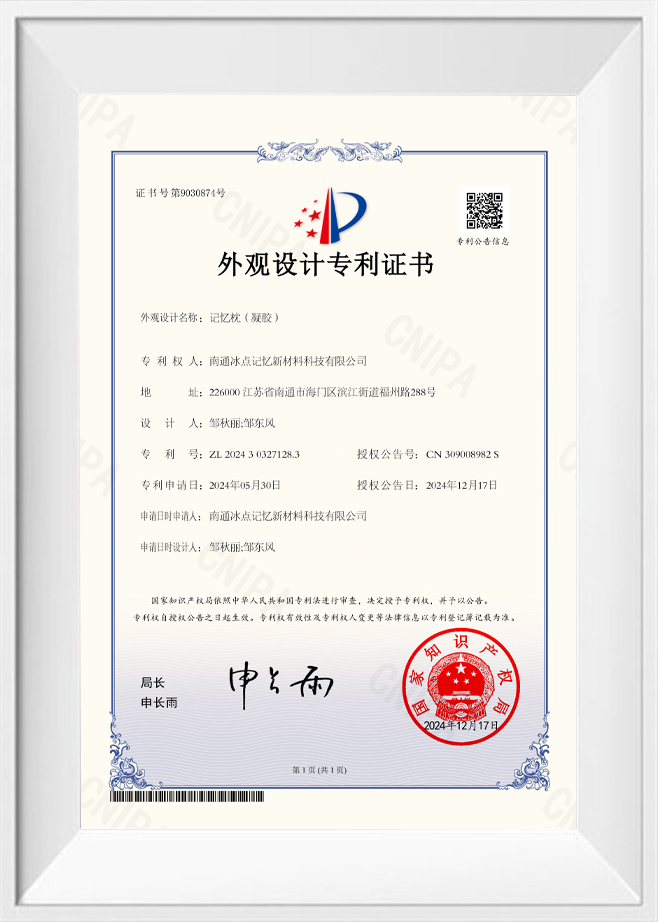
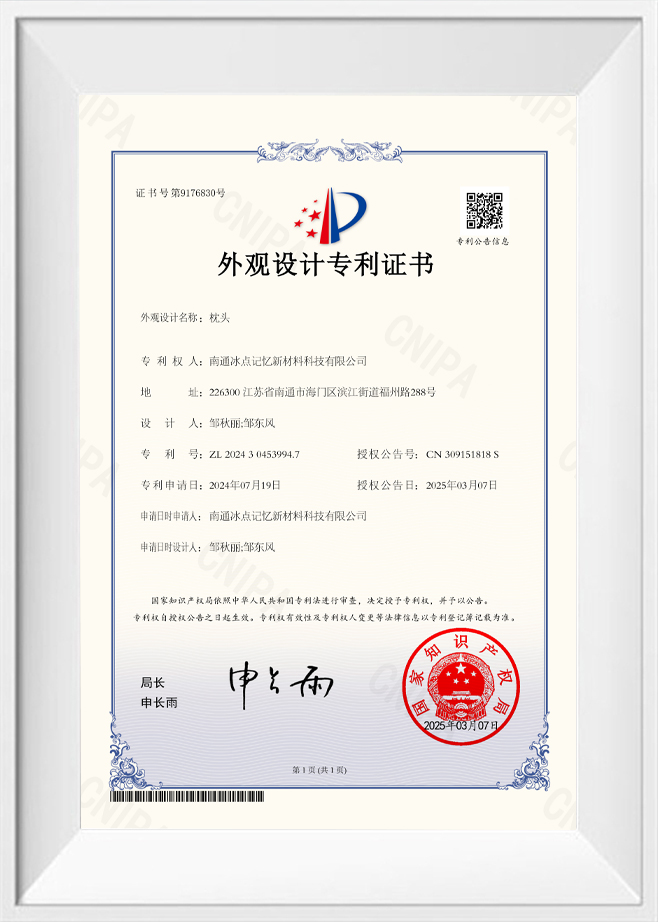
Backed by more than 100 national patent technologies, Nantong Freezing Memory New Material Technology Co., Ltd. integrates clinical sleep ergonomics into product development. This allows the company to deliver B2B clients not only a product but also a scientifically validated sleep solution that aligns with international trends toward preventive healthcare and wellness.
Industrial and Market Applications
Because of their superior comfort and durability, slow-rebound pillows are increasingly applied in diversified scenarios:
Home & Bedding – premium household sleep products.
Automobile Manufacturing – headrests and travel pillows requiring stable support.
Office & Business Gifts – ergonomic cushions for long-term sitting.
Medical & Rehabilitation – products designed for posture correction and patient comfort.
With its full-chain capabilities from R&D to production, Nantong Freezing Memory New Material Technology Co., Ltd. provides ODM services that allow B2B partners to quickly adapt to these diverse applications, ensuring product competitiveness in different markets.
Why slow-rebound pillows can relieve cervical pressure
Material Properties and Pressure-Relief Principle
The core advantage of slow-rebound pillows lies in their unique material structure. Unlike ordinary foam, slow-rebound material exhibits a unique "delayed rebound" property. When the head and neck contact the pillow surface, the material does not immediately rebound, but instead slowly sinks, gradually distributing the body's weight. This process effectively reduces localized pressure and prevents excessive strain on a single point in the neck.
Nantong Freezing Memory New Material Technology Co., Ltd. has extensive experience in material research and development. Utilizing its proprietary polyurethane and composite material formulas, it precisely controls the pillow's density, pore structure, and rebound speed. This scientific design ensures that the slow-rebound pillow achieves the optimal balance between support and comfort, truly achieving pressure relief for the cervical spine.
Ergonomic Design and Cervical Conformity
The key to a healthy cervical spine lies in maintaining its natural physiological curvature. Traditional pillows, lacking morphological support, can easily cause the neck to hang or bend excessively, placing increased strain on the cervical muscles and ligaments. The slow-rebound pillow, ergonomically designed, naturally conforms to the curve of the neck, maintaining optimal alignment of the head, neck, and shoulders.
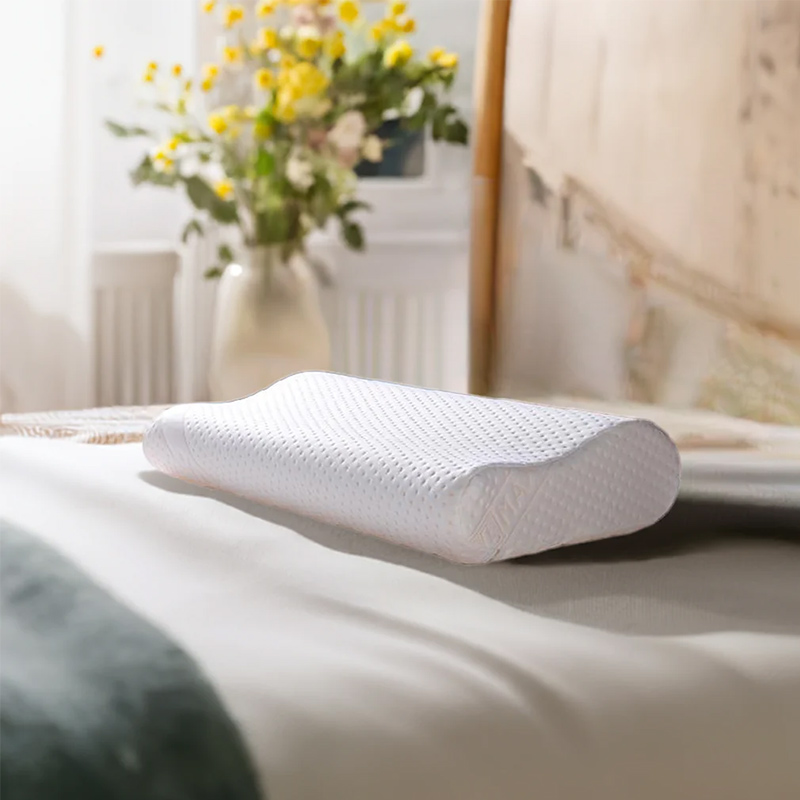
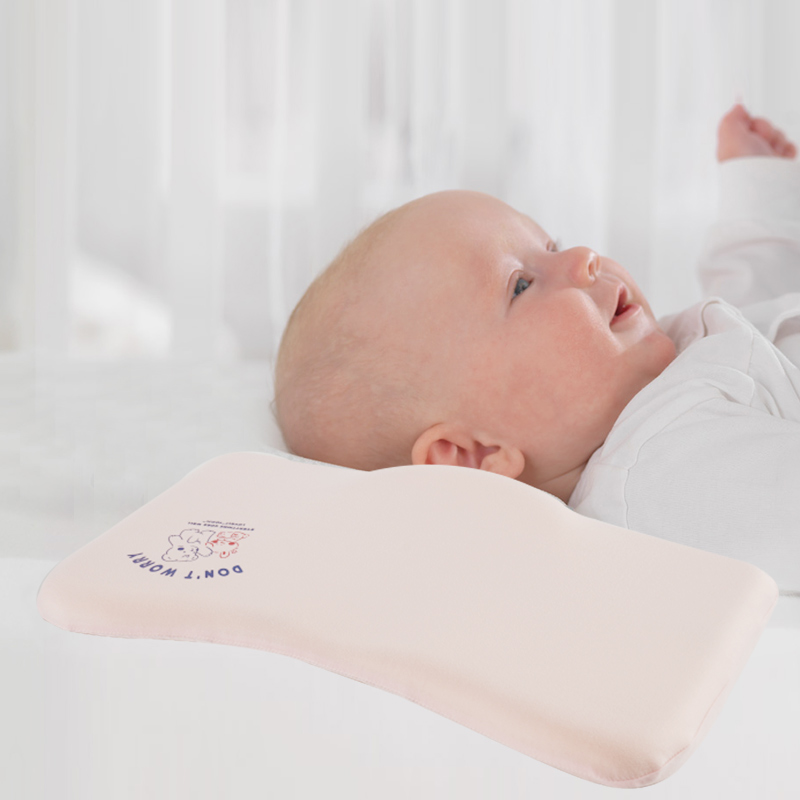
The company's R&D team incorporated findings from biomechanics and sleep science during the design phase to develop slow-rebound pillows in a variety of heights and shapes to accommodate various sleeping positions. For example, the raised side wings for side sleepers keep the head aligned with the spine, while the low mid-section design for back sleepers helps support the neck and reduce pressure on the cervical spine.
Dynamic Support and Comfort
The slow-rebound pillow provides dynamic support throughout sleep. As the sleeper turns or adjusts their position, the material slowly reshapes to match the pressure distribution, maintaining a stable and comfortable cervical spine. This continuous adaptability prevents stiffness or pain from maintaining the same position for extended periods.
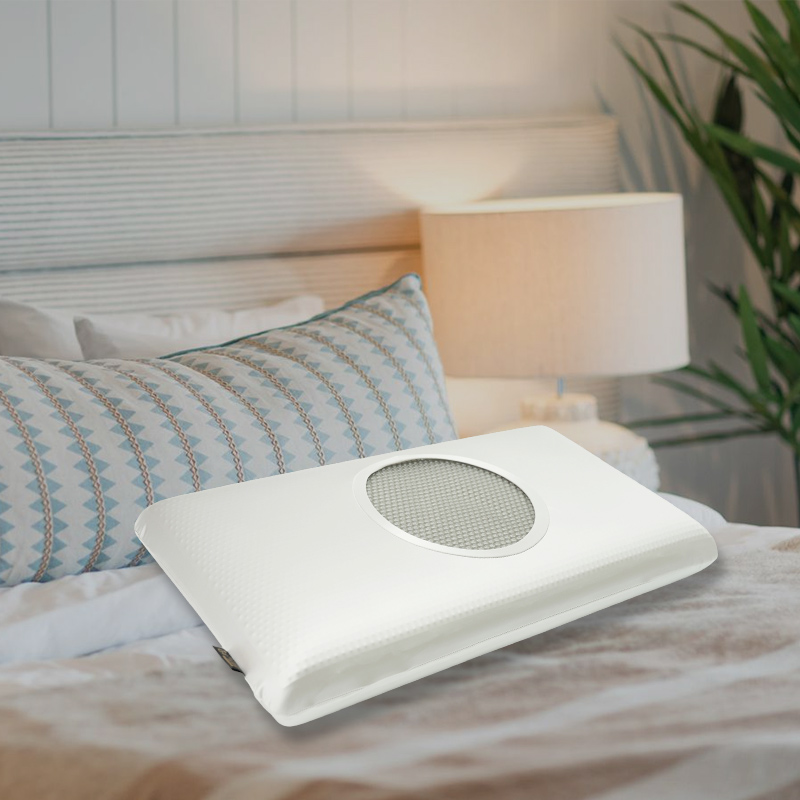
Nantong Freezing Memory New Material Technology Co., Ltd. incorporated breathable pores and temperature-sensitive materials into its development, resulting in a pillow that not only exhibits slow-rebound properties but also reduces stuffiness and enhances overall sleep comfort. This design is particularly well-suited for consumers who use the pillow for extended periods of time, and is particularly popular in medical rehabilitation, office work, and long-distance travel scenarios.
Long-term Use and Health Benefits
Cervical spine problems often develop over time, making the durability and long-term health benefits of a pillow particularly important. Compared to traditional pillows, slow-rebound pillows are less prone to deformation and provide stable support over extended periods, helping users gradually improve their cervical spine health.
Leveraging four controlled factories and a comprehensive production system, Nantong Freezing Memory New Material Technology Co., Ltd. not only guarantees stable product performance but also offers integrated services for B2B clients, from material research and development to mold design and large-scale production. This ensures that customers in different markets receive high-quality, health-focused products tailored to their specific needs.
How Slow Rebound Pillows Adjust Height to Fit Different Sleeping Positions
High Adaptability of Slow Rebound Material
Slow Rebound material has excellent shaping and slow rebound properties, allowing it to dynamically adjust to the user's body shape and sleeping position. Unlike traditional pillow cores, slow rebound pillows do not immediately recover after receiving pressure. Instead, they gradually sink, automatically adjusting the pillow's height to a certain extent, ensuring the natural curve of the cervical spine and spine.
This "adaptive" feature provides a preliminary height adjustment for different sleeping positions:
Back sleepers: The weight of the head is concentrated in the pillow core, and the slow rebound material slowly sinks, filling the gap in the neck and preventing the cervical spine from tilting backward.
Side sleepers: The height difference between the shoulder and head is large, and the slow rebound pillow deforms to increase support height and maintain a horizontal spine.
Stomach sleepers: The head bears a larger pressure area, and the slow rebound material distributes the pressure and slows down the sinking, preventing excessive twisting of the neck.
Ergonomic Zoning and Height Design
In pillow development, ergonomic design is a core method for achieving height adaptation. Nantong Freezing Memory New Material Technology Co., Ltd., through extensive data research and sleep experiments, has developed a slow-rebound pillow with a zoning design and varying height levels, enabling it to meet the needs of various sleeping positions.
Common designs include:
Middle-Low Zone: Designed specifically for back sleepers, the lower center section supports the cervical spine and maintains a natural curvature of the head and neck.
High Side Zones: Suitable for side sleepers, ensuring effective spacing between the head and shoulders to prevent cervical tilt.
Gradual Transition Zone: Provides a smooth transition when turning over, reducing discomfort caused by sudden height changes.
This zoning height structure allows a single pillow to accommodate various sleeping positions, enhancing product versatility and market acceptance.
Adjustable Layered Structure
In addition to relying on the inherent resilience of the material and the ergonomically designed zoning, some slow-rebound pillows feature a removable, stackable height adjustment structure. By adding or removing layers, users can freely adjust the overall height of the pillow to achieve the most suitable sleeping position.
This design is particularly important in B2B applications:
In the home furnishing and home textile markets, adjustable pillows can meet the diverse needs of different family members.
In the medical rehabilitation industry, doctors can adjust the height based on the patient's cervical spine condition, providing personalized care.
In travel and tourism products, lightweight, layered designs are more convenient to carry and use.
Leveraging the mold development and material processing capabilities of its four holding factories, Nantong Freezing Memory New Material Technology Co., Ltd. is able to design multi-layered, detachable modules based on customer needs, supporting customized orders for different markets.
Technology R&D and Product Advantages
During the development of the height-adjustable slow-rebound pillow, the company focused on the following aspects:
Material Density Control: By precisely controlling the density and hardness of the slow-rebound material, it maintains optimal support at different heights.
Ventilation Design: While ensuring high functionality, a multi-dimensional ventilation structure is incorporated to avoid the stuffiness caused by layered or high-area designs.
Highly controllable mold precision: Leveraging highly automated production equipment, the company ensures consistent and precise product dimensions, thereby ensuring stable height adjustment.
Leveraging these technological advantages, the company is able to not only provide standardized products but also develop differentiated height-adjustable slow-rebound pillows tailored to each customer's market positioning and brand strategy.



 中文简体
中文简体