What is the main difference between a cooling gel mattress and a regular foam mattress?
Nantong Freezing Memory New Material Technology Co., Ltd., established in 2009, is a comprehensive enterprise specializing in new material research and ODM services, with integrated capabilities in R&D, design, production, and sales. With four shareholding factories and a production plant area exceeding 20,000 square meters, the company operates multiple highly automated production lines for polyurethane, silicone, latex, and TPE products. These resources allow the company to provide end-to-end manufacturing solutions for a variety of life scenarios including home, travel, car, office, and more. Leveraging these capabilities, Nantong Freezing Memory has developed a strong expertise in healthy sleep products, particularly in the design and production of cooling gel mattress.
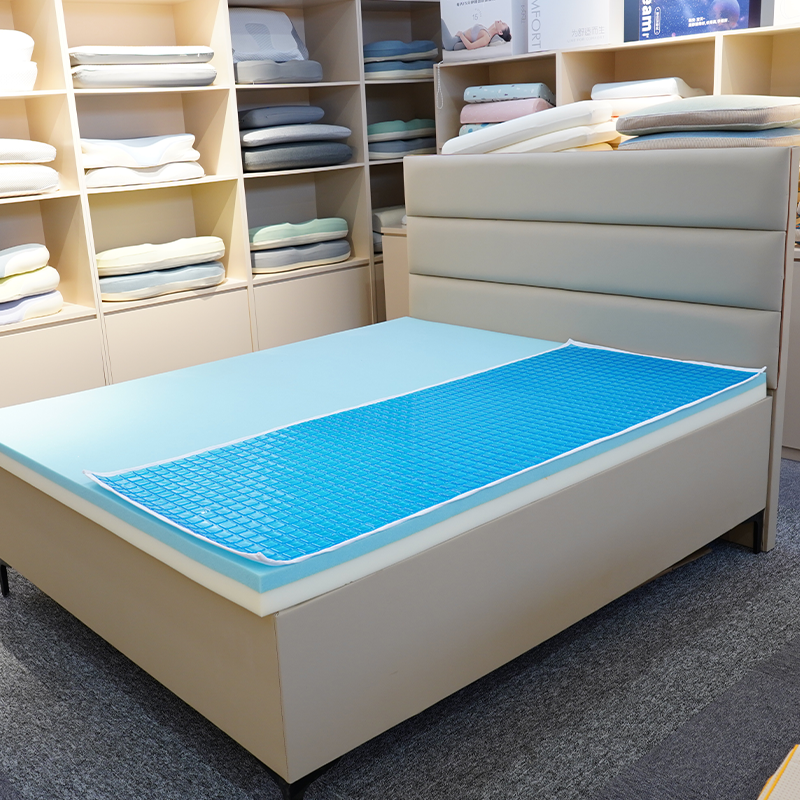
From a material and structural perspective, cooling gel mattress differ significantly from conventional foam mattresses. A traditional foam mattress is typically constructed from high-density polyurethane foam, which provides basic support and comfort by distributing body weight across the mattress surface. However, foam inherently has low thermal conductivity, which often leads to heat retention and a warmer sleep environment. In contrast, a cooling gel mattress incorporates a layer of thermally conductive gel, either infused or embedded within memory foam or polyurethane foam. This gel serves to absorb and dissipate heat away from the body, creating a cooler sleeping surface and reducing the likelihood of night sweats.
The comfort and support characteristics also vary notably. Conventional foam mattresses rely solely on foam’s viscoelastic properties to provide pressure relief. While this can reduce pressure points, it may not effectively respond to dynamic changes in body temperature. cooling gel mattress, by integrating a gel layer with memory foam or other supportive foams, enhance adaptive response. This combination allows for both targeted pressure relief and temperature regulation, resulting in improved sleep quality. Nantong Freezing Memory leverages its patented gel infusion technologies and over a decade of R&D experience to optimize these properties, ensuring that each mattress provides uniform support while maintaining a cooler microenvironment.
From an industrial production standpoint, the manufacturing processes also differ. Conventional foam mattresses are produced through standard foam molding and curing processes. cooling gel mattress require additional steps, such as gel synthesis, precise gel infusion or layering, and quality control measures to ensure consistent thermal conductivity.
The following table provides a detailed comparison of key performance parameters between cooling gel mattress and conventional foam mattresses:
|
Feature
|
Cooling Gel Mattress
|
Conventional Foam Mattress
|
|
Core Material
|
Memory foam or polyurethane + gel
|
High-density polyurethane foam
|
|
Thermal Conductivity
|
High (gel layer dissipates heat)
|
Low (foam retains heat)
|
|
Pressure Relief
|
Adaptive, enhanced by gel layer
|
Limited to foam properties
|
|
Sleep Surface Temperature
|
Cooler, reduces night sweats
|
Warmer, heat retention common
|
|
Durability & Longevity
|
Gel layer stable with proper design
|
Foam may soften faster under prolonged use
|
|
Manufacturing Complexity
|
Higher, requires gel infusion or layering
|
Moderate, standard foam molding
|
|
Applications
|
Home, office, travel, medical, automotive
|
Home, office, travel
|
|
Customization Potential
|
High, with various gel types and densities
|
Moderate, limited to foam density adjustments
|
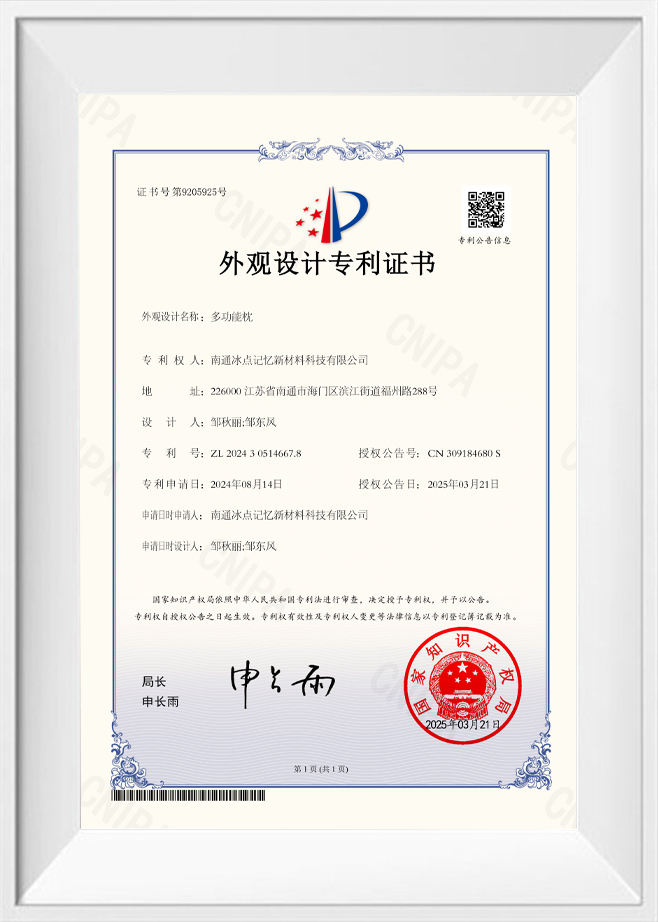
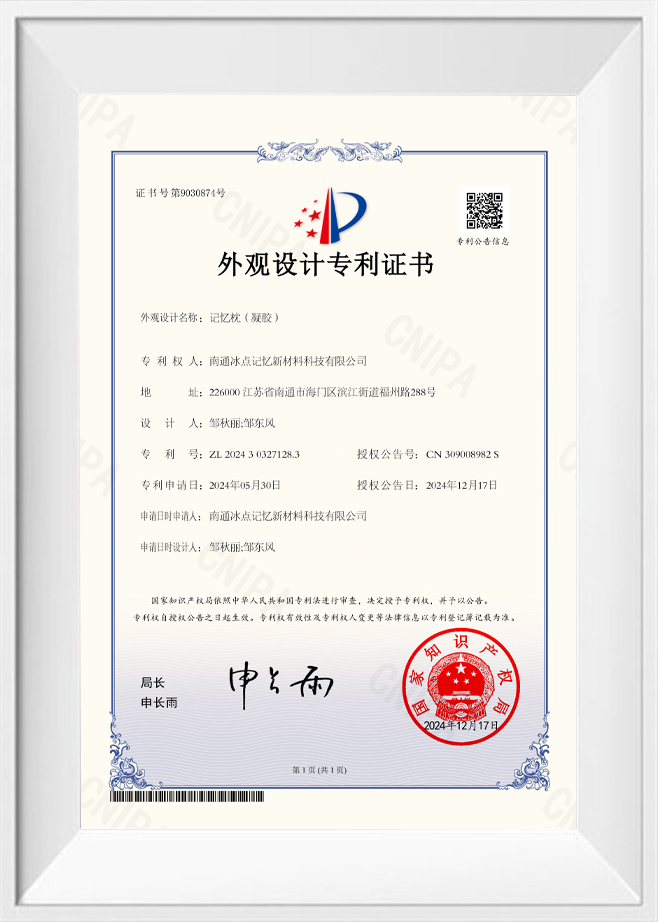
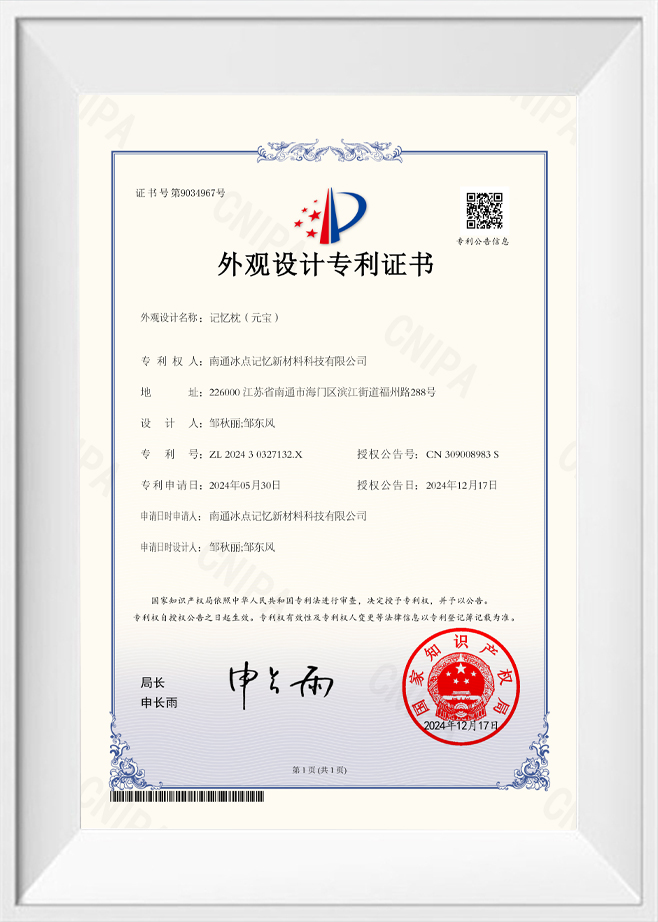
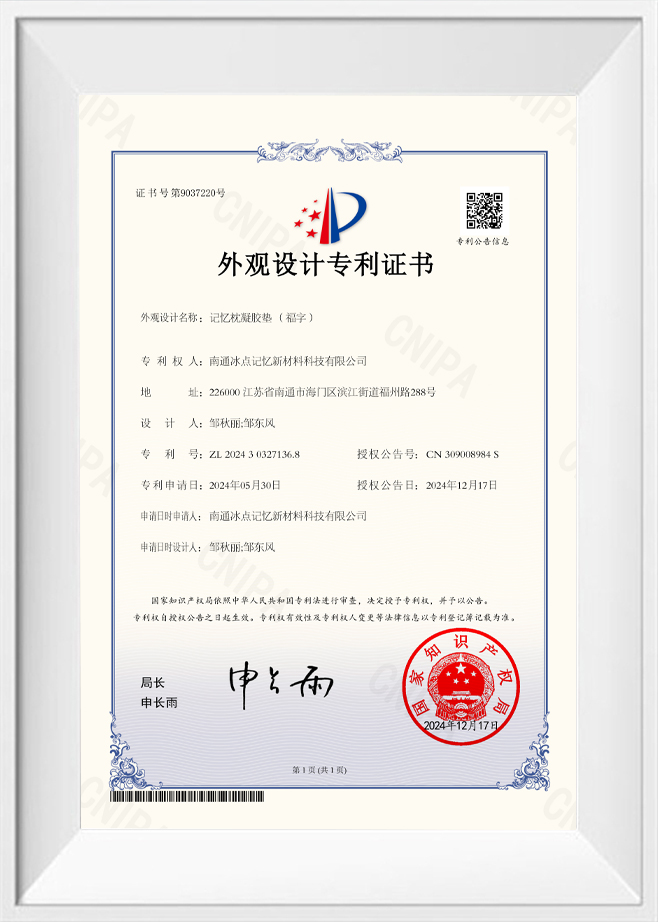
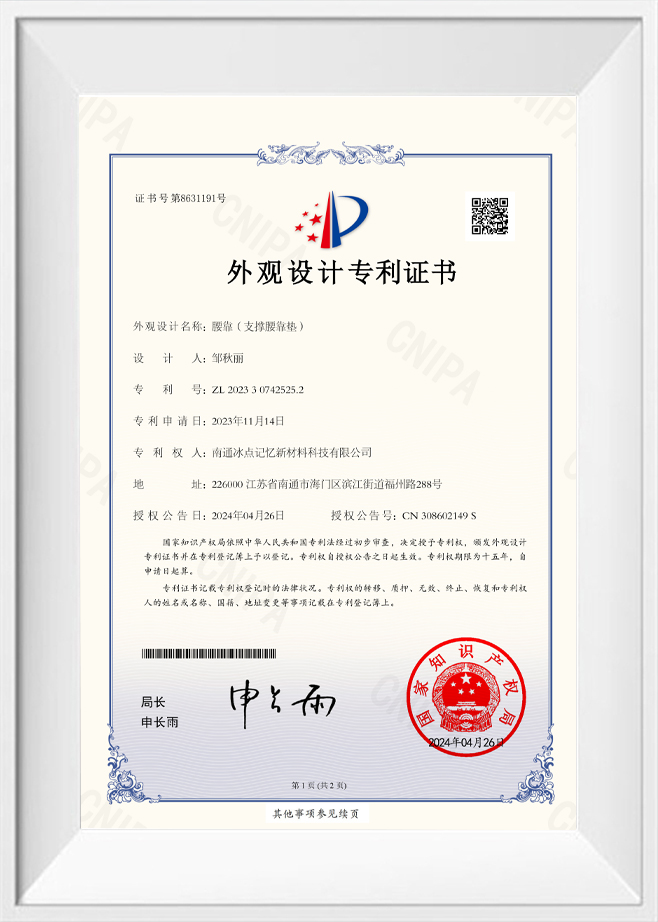
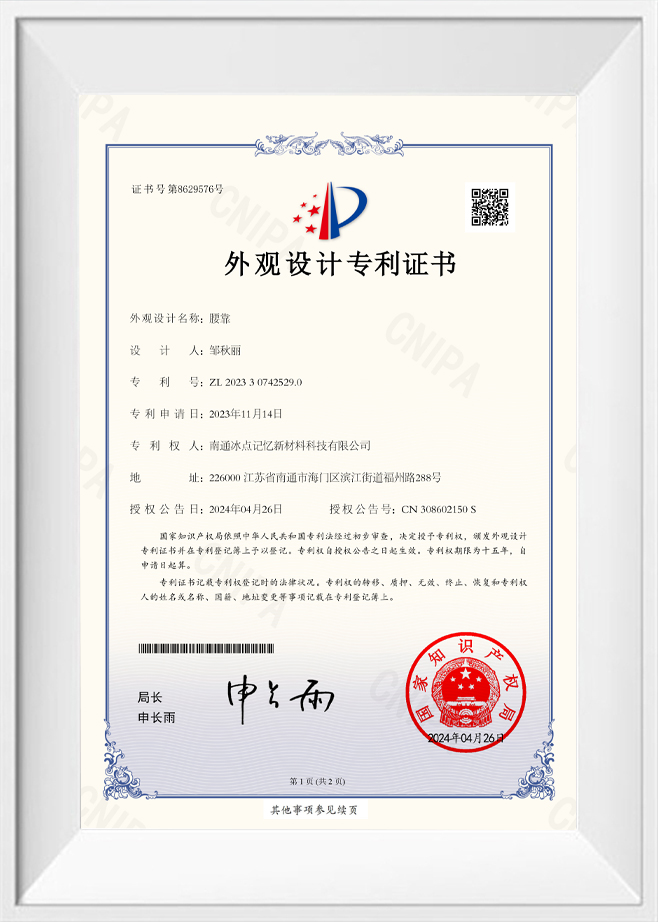
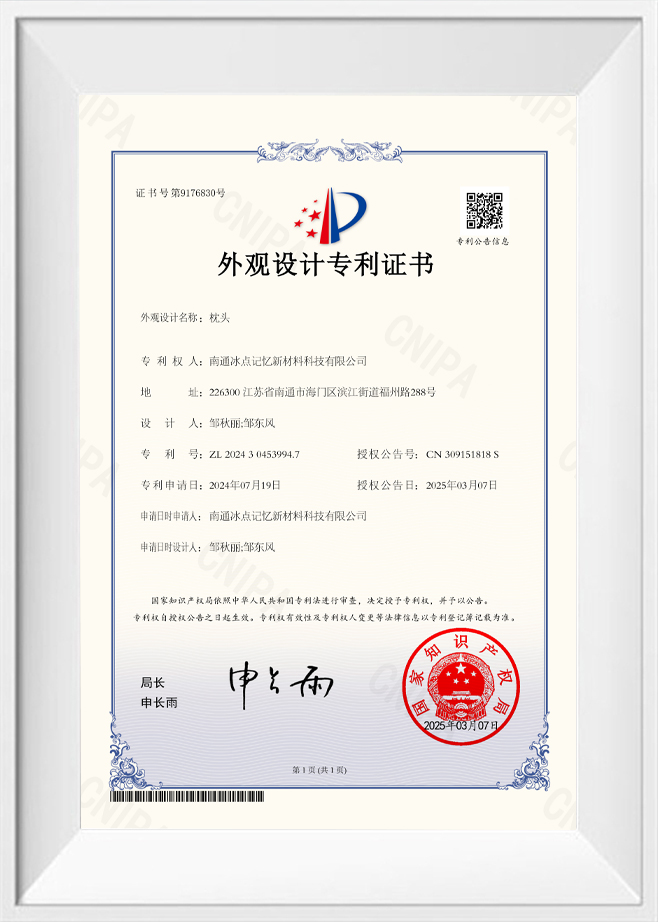
Beyond materials and performance, Nantong Freezing Memory emphasizes technological innovation, holding over 100 national patents and being recognized as a national high-tech enterprise. This R&D expertise ensures that cooling gel mattress produced by the company are not only structurally superior but also adaptable to customer-specific requirements in diverse industries, including home textiles, furniture, medical equipment, and automotive applications.
What is the mechanism of action of cooling gel mattress on pressure distribution and human body support?
Pressure distribution and body support are fundamental indicators of sleep comfort and spinal health. Traditional foam mattresses rely primarily on foam density and elasticity to provide support. High-density foam can offer reasonable weight distribution but often creates pressure concentrations at points of high body load, such as shoulders, hips, and knees. These pressure concentrations can lead to discomfort, disrupted sleep, and long-term musculoskeletal strain. In contrast, cooling gel mattress incorporate thermally conductive gel layers into memory foam or polyurethane bases. This gel not only regulates temperature but also enhances the foam’s adaptive properties, enabling more uniform pressure distribution across the body surface.
The mechanism of pressure distribution in a cooling gel mattress is largely due to the viscoelastic and elastic properties of the combined gel-foam structure. The gel material exhibits a semi-fluidic behavior under pressure, allowing localized deformation that conforms to the body’s contours. When a person lies on the mattress, areas of higher load, such as the lumbar region or shoulders, cause the gel to flow slightly within its matrix, redistributing force laterally and reducing peak pressure points. Meanwhile, the underlying memory foam or polyurethane layer provides supportive resistance, preventing excessive sinkage and maintaining proper spinal alignment. Nantong Freezing Memory’s proprietary gel infusion and layering techniques optimize this interaction, ensuring that both pressure relief and support are balanced for different body types and sleeping postures.
From a biomechanical perspective, body support is achieved through a gradient of firmness across the mattress. cooling gel mattress often utilize zones of variable density or gel concentration to accommodate anatomical differences along the body. For example, higher gel concentration or slightly firmer foam beneath the hips provides necessary lift, while softer gel layers under the shoulders allow deeper contouring. Nantong Freezing Memory leverages its automated polyurethane and silicone production lines to precisely control material distribution, ensuring consistent zonal support and uniform comfort across large-scale manufacturing.
The following table highlights the comparative performance of cooling gel mattress versus conventional foam mattresses in terms of pressure distribution and body support:
|
Feature
|
Cooling Gel Mattress
|
Conventional Foam Mattress
|
|
Material Composition
|
Memory foam or polyurethane + gel layer
|
High-density polyurethane foam
|
|
Pressure Distribution
|
Uniform, reduces peak pressure points
|
Moderate, may create pressure hotspots
|
|
Body Contouring
|
High adaptability to body shape
|
Limited adaptability
|
|
Spinal Alignment Support
|
Maintains natural spine curvature
|
May allow sagging under heavy load
|
|
Load Response
|
Gel layer redistributes force laterally
|
Foam provides vertical compression only
|
|
Zoning Capability
|
High, customizable gel/foam zones
|
Low to moderate, limited to foam density
|
|
Sleep Comfort Impact
|
Improved, reduces tossing and turning
|
Standard, may cause discomfort under prolonged use
|
|
Durability under Pressure
|
Maintains support and contouring over time
|
Foam may soften or lose shape
|



 中文简体
中文简体