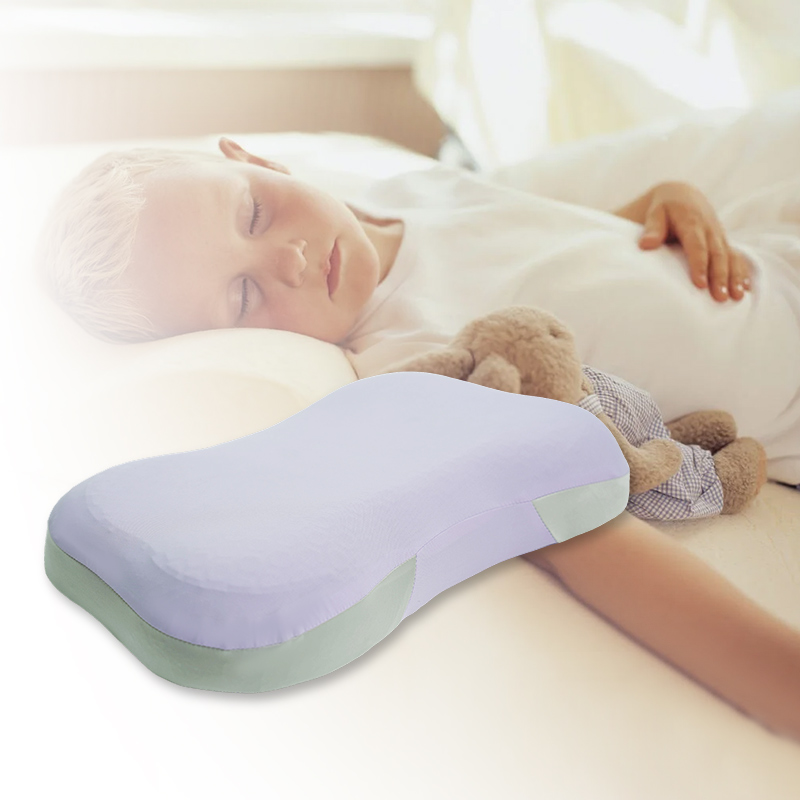
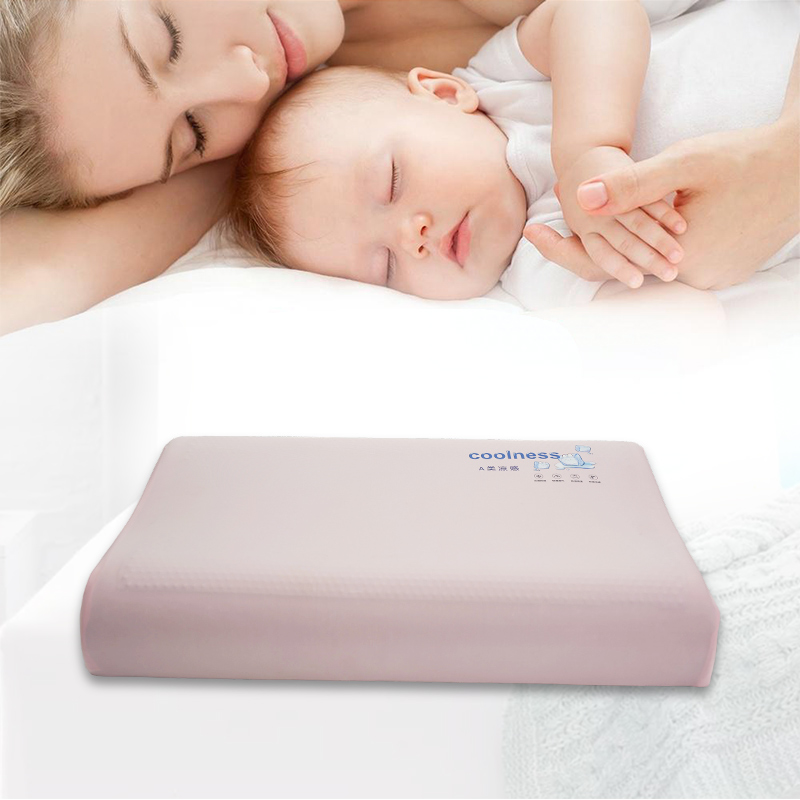
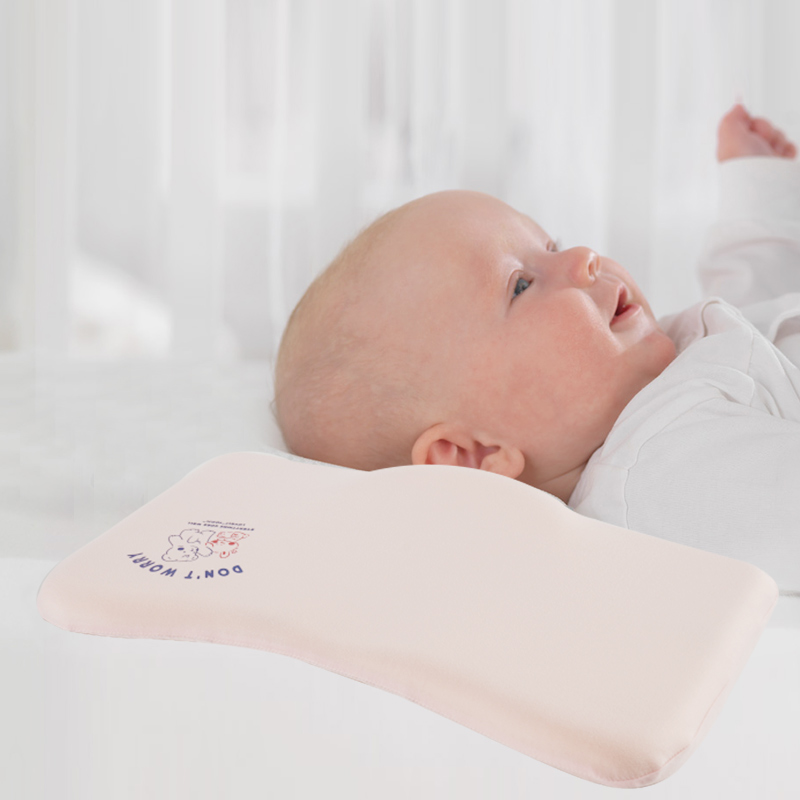
What are the common filling materials for children's normal pillows?
In the children's bedding industry, pillow safety, comfort, and support are key concerns for parents and the industry, and the filling material directly determines product performance. Children's cervical spines are still developing, their respiratory tracts are sensitive, and their skin is delicate. Therefore, the filling material must not only consider support and resilience, but also meet multiple requirements for breathability, safety, and environmental health.
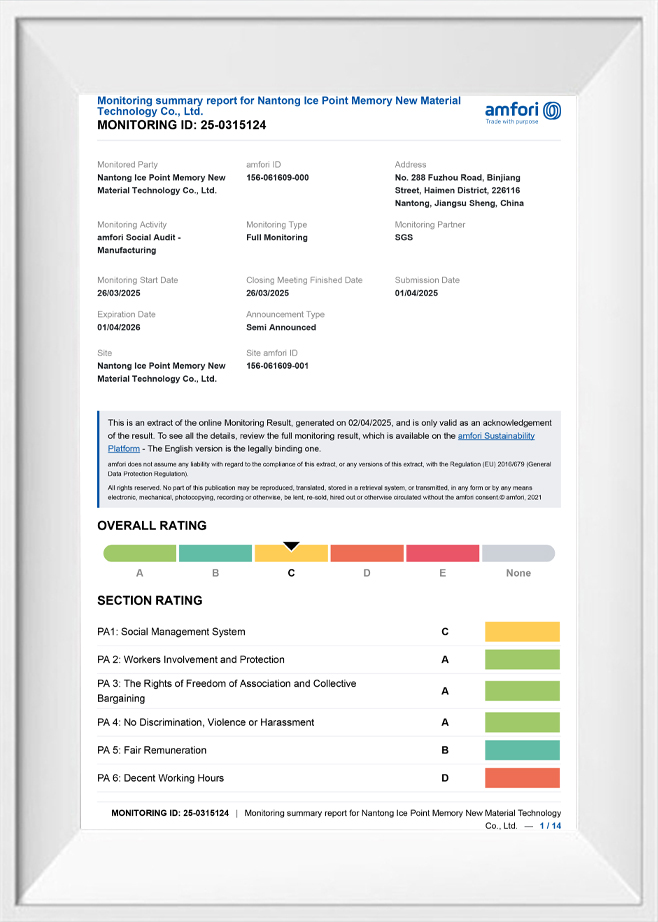
Since its establishment in 2009, Nantong Freezing Memory New Material Technology Co., Ltd. has focused on new material research and development and ODM services. Leveraging four holding factories and a modern production base spanning over 20,000 square meters, the company has established highly automated production lines for polyurethane, silicone, latex, and TPE, catering to diverse home furnishing and home textile applications. Through continuous R&D investment and over 100 national patents, the company continuously optimizes healthy sleep products and provides high-quality solutions for industries such as home textiles, furniture, travel, medical care, and automotive.
Polyester Fiber
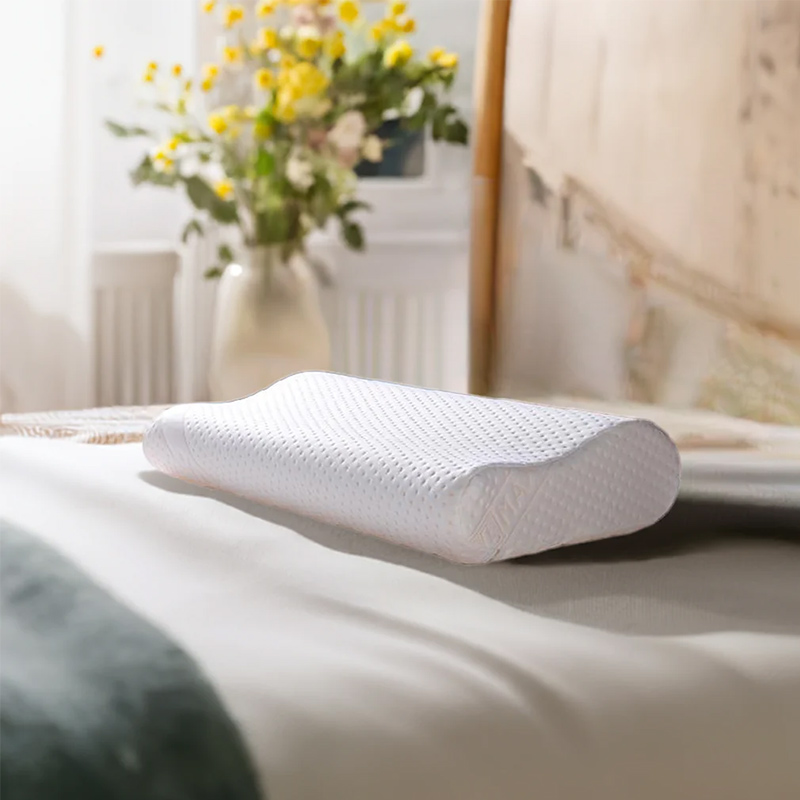
Polyester fiber is one of the most common filling materials used in Children's normal pillows. Polyester pillows are characterized by their lightness, softness, and fluffiness, along with excellent washability and cost-effectiveness. For those seeking easy cleaning and a high-performance budget, polyester fiber pillows are a widely accepted choice. However, their resilience and shape retention are relatively limited over long-term use.
Latex
Latex pillows have a natural elasticity that provides more stable neck support, while also offering excellent breathability and antibacterial properties. Children's latex pillows effectively conform to the curves of the head and neck, reducing discomfort caused by insufficient support during sleep. Leveraging our proprietary latex production line, we can customize latex pillow cores with varying degrees of firmness and softness, tailored to the cervical spine height and weight of children of different ages.
Memory Foam
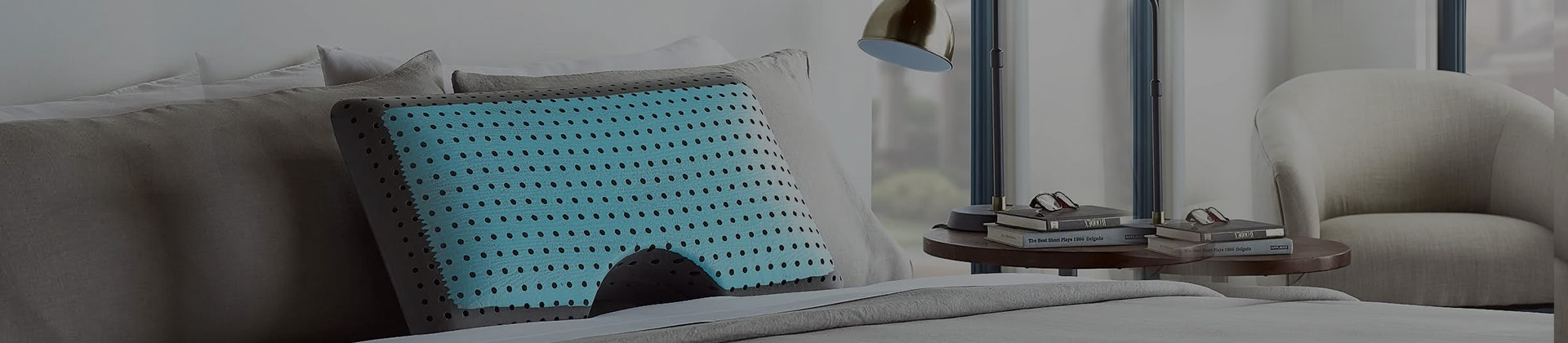
Memory foam (polyurethane slow-rebound material) is one of our company's key R&D and production areas. Its greatest advantage lies in its pressure distribution, evenly distributing pressure on the neck and head when a child sleeps on their back or side, reducing pressure. For children with sensitive physiques, memory foam also provides stable support and a sense of security. The company holds multiple national patents in this field, ensuring the breathability, environmental friendliness, and durability of its pillow cores.
Natural Feather & Down
Children's normal pillows filled with down are soft, fluffy, comfortable, and offer excellent warmth. However, down pillows are less suitable for the children's market. Firstly, they are prone to harboring mites in hot and humid environments, and secondly, some children may have allergic reactions. Therefore, during the ODM customization process, the company will recommend the use of down filling based on the target market's environment and consumer habits, and will also use specialized anti-mite processing to improve product performance.
Plant-based Fiber
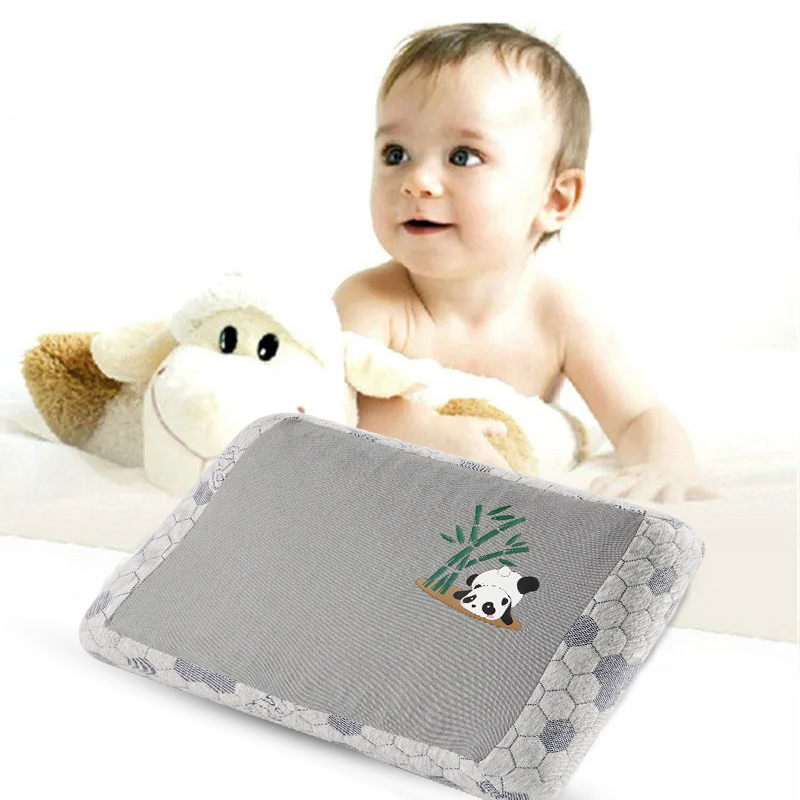
Some customers emphasize natural, environmentally friendly, and hypoallergenic properties. Plant-based materials such as bamboo fiber, coconut fiber, or corn fiber are therefore attractive choices. These materials offer advantages in moisture absorption, breathability, and biodegradability, aligning with current sustainable development trends. Leveraging years of experience in new material research and development, the company can combine natural fibers with functional materials to enhance overall performance.
Performance Comparison of Common Filling Materials
|
Material Type
|
Support Level
|
Breathability
|
Washability
|
Durability
|
Allergy Risk
|
Cost Level
|
|
Polyester Fiber
|
Medium-Low
|
Medium
|
Excellent
|
Medium
|
Low
|
Low
|
|
Latex
|
High
|
High
|
Limited
|
High
|
Low
|
Medium-High
|
|
Memory Foam
|
High
|
Medium-High
|
Limited
|
High
|
Very Low
|
Medium
|
|
Feather & Down
|
Low-Medium
|
Medium
|
Limited
|
Medium
|
High
|
Medium
|
|
Plant-based Fiber
|
Medium
|
High
|
Medium
|
Medium
|
Low
|
Medium
|
How to Choose a Normal Pillow for Children at Different Stages
Toddler Stage (2–3 years)
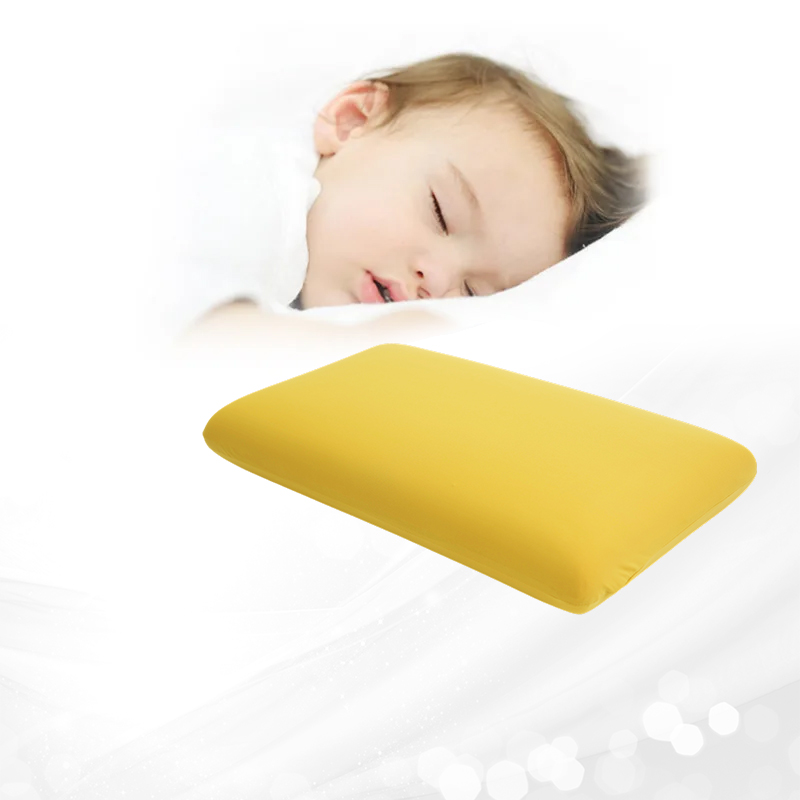
Toddlers around two years old have not yet fully developed their cervical curvature, resulting in a larger head-to-shoulder ratio. They tend to sleep on their backs. A pillow at this stage should be low, soft, and supportive. Pillows that are too high or too firm may cause the neck to hang in the air or obstruct breathing. Thin, easily washable polyester or breathable memory foam pillows are recommended for gentle support.
Early Childhood (4–6 years)
As shoulder width increases and the cervical spine begins to develop a distinct physiological curve, pillows may need to be slightly higher and provide more support. A medium-height pillow with a medium-to-soft firmness, such as a latex pillow or a modified memory foam pillow, is recommended. The good resilience of latex helps maintain the natural curvature of the head and neck, while memory foam distributes pressure for increased comfort.
Middle Childhood (7–9 years)
School-age children grow faster, their sleeping positions become more diverse, and the proportion of side sleepers increases. A pillow needs to strike a balance between support, breathability, and durability. During this stage, pillows with zoned support are suitable, for example, providing reinforced support in the neck area while maintaining softness in the head area. Our company's proprietary slow-rebound polyurethane material, combined with a breathable structure, effectively eliminates the stuffiness associated with traditional pillows.
Late Childhood & Pre-Adolescence (10–12 years)
Children approaching pre-adolescence have cervical and shoulder development similar to that of adults, but their bones remain fragile. For this age group, pillows with a similar height to adult pillows but with a softer, more comfortable fit are recommended. Latex and memory foam composite pillows, or blends of plant fiber and polyester, offer stable support and breathability. These pillows also promote good sleeping posture.
|
Age Stage
|
Recommended Height
|
Firmness Level
|
Suitable Materials
|
Key Features
|
|
Toddler (2–3 yrs)
|
2–3 cm
|
Soft
|
Polyester fiber, thin memory foam
|
Lightweight, washable, gentle support
|
|
Early Childhood (4–6 yrs)
|
3–5 cm
|
Medium-Soft
|
Latex, memory foam
|
Better rebound, curve alignment
|
|
Middle Childhood (7–9 yrs)
|
4–6 cm
|
Medium
|
Breathable memory foam, zoned latex
|
Pressure dispersion, airflow design
|
|
Late Childhood (10–12 yrs)
|
5–8 cm
|
Medium-Firm
|
Latex + memory foam hybrid, plant-based fiber blends
|
Adult-like support, enhanced durability
|



 中文简体
中文简体