What are the main differences between bio-based pillows and traditional pillows?
In the modern home and sleep health sectors, the material and craftsmanship of a pillow have a decisive impact on sleep quality and the product's environmental performance. With rising environmental awareness and health concepts, bio-based pillows are becoming a key development direction in the pillow industry. Nantong Freezing Memory New Material Technology Co., Ltd., a comprehensive new material company integrating R&D, design, production, and sales, has focused on new material research and development and ODM services since its establishment in 2009, accumulating extensive experience in bio-based and high-performance pillows. Through technological innovation and large-scale production, the company is able to provide customers with high-quality products for a variety of applications, including home, travel, office, and automotive.
Bio-based pillows are primarily made from renewable resources or natural raw materials, such as bio-based polyurethane (PU), natural latex, or plant-based polymers. In contrast, traditional pillows often use petrochemical-based materials, such as polyurethane foam (PU foam), memory foam, or chemical synthetic fibers. Bio-based pillows emphasize sustainability and environmental friendliness in their raw material sourcing, while traditional pillows primarily focus on cost-effectiveness and processing maturity. Nantong Freezing Memory New Material Technology Co., Ltd. leverages independently developed bio-based materials and multiple highly automated production lines to achieve high-precision processing of environmentally friendly materials and diversified product designs, thus establishing a differentiated competitive advantage in the market.
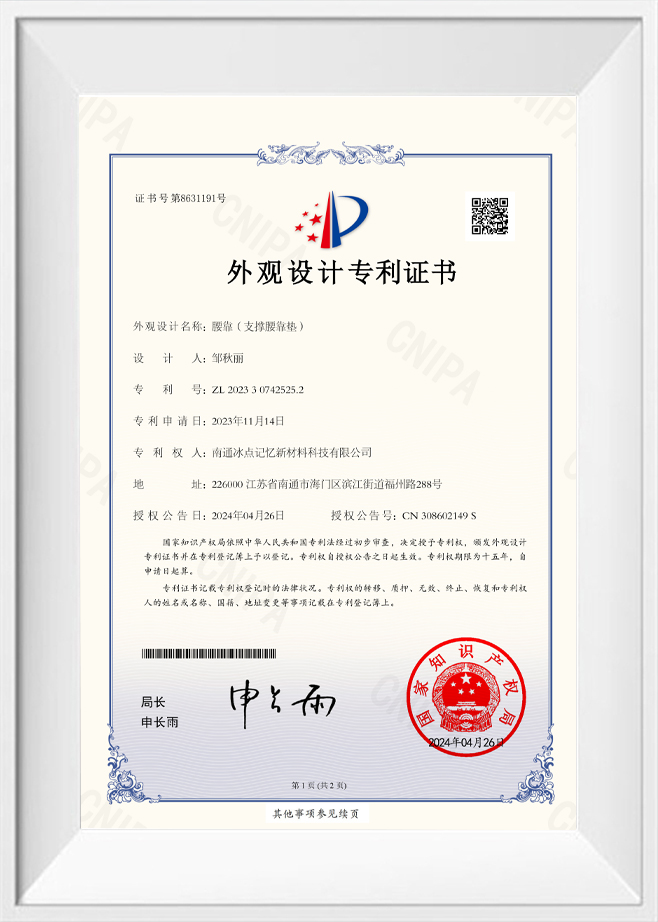
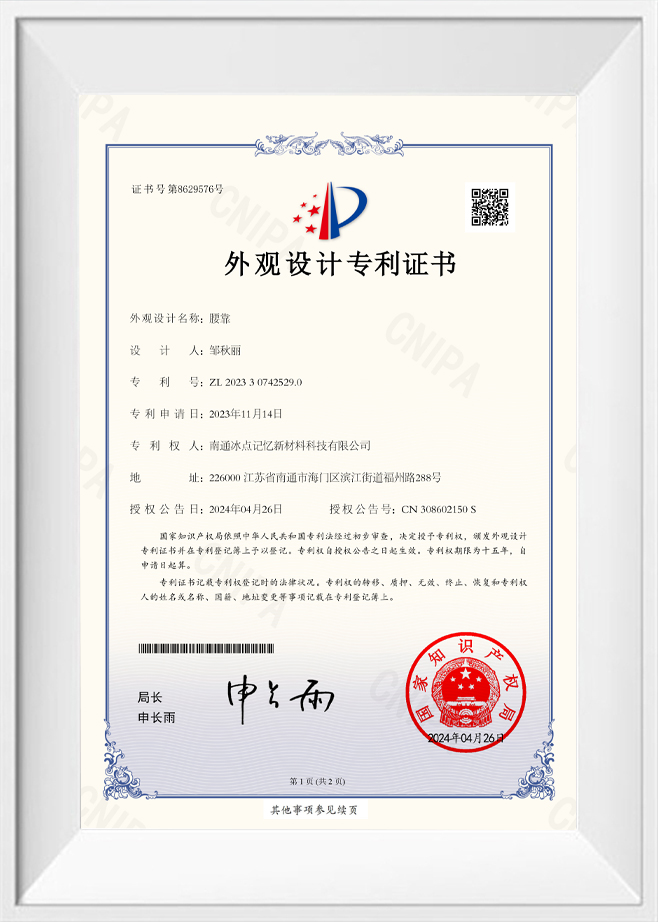
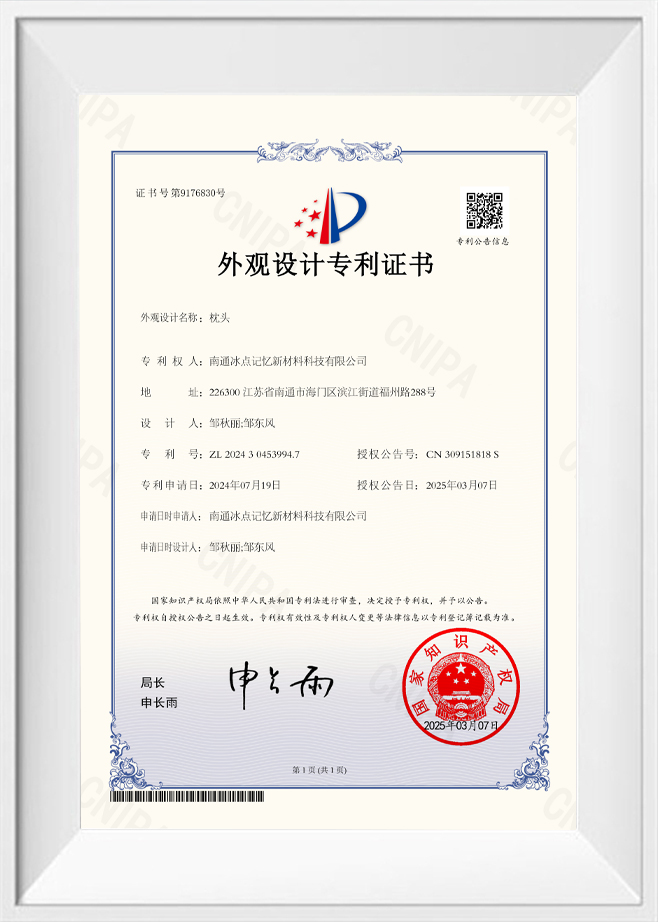
In terms of functionality, bio-based pillows not only meet basic support needs but also emphasize ergonomic design and a healthy experience. Leveraging over 100 national patents, the company has developed products suitable for various sleeping positions and scenarios, achieving a balance of comfort, resilience, breathability, and antibacterial properties. While traditional pillows offer certain advantages in support and price, they have limitations in sustainability, health-friendliness, and environmentally friendly degradability. Bio-based pillows utilize natural raw materials and advanced foaming technology to ensure support while enhancing airflow and pressure resistance and rebound, significantly improving the user's sleep experience.
|
Parameter
|
Bio-based Pillow
|
Traditional Pillow
|
|
Material Source
|
Renewable, plant-based or natural
|
Petroleum-based synthetic
|
|
Environmental Impact
|
Low carbon footprint, biodegradable
|
High carbon footprint, non-degradable
|
|
Breathability
|
High, enhanced airflow
|
Moderate, often heat-retaining
|
|
Support & Comfort
|
Ergonomic design, adaptive support
|
Good support, limited ergonomics
|
|
Durability
|
Medium to high, depending on formulation
|
High, but material may degrade slowly
|
|
Antimicrobial Properties
|
Natural or treated for antibacterial
|
Usually absent unless added chemically
|
|
Production Process
|
Eco-friendly, optimized for energy efficiency
|
Conventional, energy-intensive
|
|
Application Scenarios
|
Home, travel, office, car
|
Mainly home use
|
What are the main differences between bio-based pillows and traditional pillows?
In the modern home and sleep health sectors, the material and craftsmanship of a pillow have a decisive impact on sleep quality and the product's environmental performance. With rising environmental awareness and health concepts, bio-based pillows are becoming a key development direction in the pillow industry. Nantong Freezing Memory New Material Technology Co., Ltd., a comprehensive new material company integrating R&D, design, production, and sales, has focused on new material research and development and ODM services since its establishment in 2009, accumulating extensive experience in bio-based and high-performance pillows. Through technological innovation and large-scale production, the company is able to provide customers with high-quality products for a variety of applications, including home, travel, office, and automotive.
Bio-based pillows are primarily made from renewable resources or natural raw materials, such as bio-based polyurethane (PU), natural latex, or plant-based polymers. In contrast, traditional pillows often use petrochemical-based materials, such as polyurethane foam (PU foam), memory foam, or chemical synthetic fibers. Bio-based pillows emphasize sustainability and environmental friendliness in their raw material sourcing, while traditional pillows primarily focus on cost-effectiveness and processing maturity. Nantong Freezing Memory New Material Technology Co., Ltd. leverages independently developed bio-based materials and multiple highly automated production lines to achieve high-precision processing of environmentally friendly materials and diversified product designs, thus establishing a differentiated competitive advantage in the market.
In terms of functionality, bio-based pillows not only meet basic support needs but also emphasize ergonomic design and a healthy experience. Leveraging over 100 national patents, the company has developed products suitable for various sleeping positions and scenarios, achieving a balance of comfort, resilience, breathability, and antibacterial properties. While traditional pillows offer certain advantages in support and price, they have limitations in sustainability, health-friendliness, and environmentally friendly degradability. Bio-based pillows utilize natural raw materials and advanced foaming technology to ensure support while enhancing airflow and pressure resistance and rebound, significantly improving the user's sleep experience.
|
Parameter
|
Bio-based Pillow
|
Natural Latex Pillow
|
Memory Foam Pillow
|
|
Support
|
Medium to high, adjustable for different use cases
|
High, strong neck and head support
|
High, conforms to head and neck shape
|
|
Softness
|
Balanced soft and firm, customizable
|
Firm to medium, natural elasticity
|
Soft to medium, slow rebound
|
|
Rebound
|
Moderate to fast, depending on material formulation
|
Fast, high elasticity
|
Slow, contouring rebound
|
|
Pressure Relief
|
Good, distributes weight evenly
|
Moderate, may feel firm in certain areas
|
Excellent, conforms to pressure points
|
|
Breathability
|
High, enhanced airflow via structure and material choice
|
High, naturally ventilated with air holes
|
Moderate to low, retains heat
|
|
Temperature Adaptability
|
Good, maintains comfort across seasons
|
Good, natural ventilation reduces heat retention
|
Poor, prone to heat accumulation
|
|
Antimicrobial Properties
|
Natural or treated for antibacterial benefits
|
Naturally resistant to bacteria and dust mites
|
Limited, usually requires chemical treatment
|
|
Customizability
|
High, adjustable density, shape, and firmness
|
Low, natural latex shape largely fixed
|
Medium, density can vary but limited structure
|
What is the general manufacturing process for bio-based pillows?
Raw Material Selection and Processing
Bio-based pillows primarily use renewable or natural materials, such as bio-based polyurethane, plant-based foam, and natural latex composites. Nantong Freezing Memory New Material Technology Co., Ltd. strictly controls the quality of its raw materials, including density, viscosity, chemical stability, and environmental performance. Before use, the materials undergo pre-treatment, such as drying, mixing, and adjusting the active ingredients, to ensure stability during the subsequent foaming and molding processes.
Proportioning and Mixing
Precise chemical ratios are key to the comfort and durability of bio-based pillows. The company utilizes an automated metering system to combine various liquid or powdered raw materials in specific proportions, ensuring uniform chemical reactions and a stable cell structure. During this step, the mixing temperature, stirring speed, and time are precisely controlled to avoid uneven bubbles, density deviations, or incomplete chemical reactions.
Foaming and Molding
The mixed materials enter the foaming stage, where chemical reactions generate bubbles, causing the material to expand and form a soft and elastic pillow core structure. Nantong Freezing Memory New Material Technology Co., Ltd. has multiple highly automated foaming production lines, enabling precise control of pillow density, hardness, and resilience through mold and pressure control. The company's R&D team can also incorporate open-cell or honeycomb structures during the foaming process, tailored to customer needs, to further enhance breathability and comfort.
Curing and Heat Treatment
After foaming, the pillow core undergoes curing and heat treatment to stabilize the material's internal structure and mechanical properties. Curing temperature, time, and ambient humidity are key factors affecting the pillow's elasticity, pressure resistance, and lifespan. Nantong Freezing Memory New Material Technology Co., Ltd.'s production lines precisely control heat treatment parameters, ensuring consistent product quality and high standards.
Finishing and Surface Treatment
After curing, the pillow core undergoes cutting, shaping, and surface treatment, including edge trimming and special texture design. The company can adjust the pillow's shape, thickness, and surface hardness to suit different applications and customer requirements, ensuring optimal comfort and support.
Testing and Packaging
Each batch of bio-based pillows undergoes rigorous testing before shipment, including density, resilience, comfort, pressure resistance, and environmental performance. Nantong Freezing Memory New Material Technology Co., Ltd. utilizes advanced testing equipment and standardized processes to ensure that each pillow meets high quality standards. Qualified products are then packaged in eco-friendly packaging and prepared for a variety of applications, including home, office, car, and travel.



 中文简体
中文简体